 In Connecticut, the elderly benefit when healthcare providers allocate a part of their patient care time to fall prevention. Continue reading Paying attention reduces falls in the elderly
Comparing weight-loss diets after 2 years
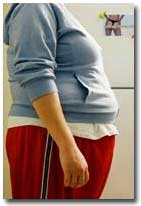 The results of the Dietary Intervention Randomized Controlled Trial (DIRECT) Group have been published in The New England Journal of Medicine. Continue reading Comparing weight-loss diets after 2 years
Treatment options for functional dysphonia
 Difficulty in speaking, usually evidenced by hoarseness, can lead to reduced quality of life. In occupations where voice quality is important it might lead to a loss of employment.
The good news? There’s “evidence … for the effectiveness of comprehensive voice therapy.” Continue reading Treatment options for functional dysphonia
How to learn from CAM practitioners
 Dr. Janine Blackman is a family physician and co-founder of The Gilbert Clinic, a private integrative health care practice in the Washington, DC area.
In a Medscape article she writes, “For experienced family physicians who are not able to commit the time to an academic program, learning about CAM can be challenging.”
Here’s what she suggests. Continue reading How to learn from CAM practitioners
Evidence for massage to treat low-back pain
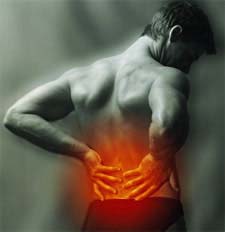 Few treatments for back pain are supported by strong scientific evidence. Conventional treatments have limited success and often result in dissatisfied patients who turn to CAM.
A review from the Cochrane Collaboration concluded, “massage might be beneficial for patients with subacute and chronic non-specific low-back pain, especially when combined with exercises and education.”
Continue reading Evidence for massage to treat low-back pain
Danger of aristolochic acid
 Since 1990 the U.S. Food and Drug Administration (FDA) has issued warnings about botanical products and dietary supplements containing aristolochic acid.
Now, The Lancet reports a 30 year-old Chinese man who was diagnosed with a bladder tumor after taking the Chinese herb Longdan Xieganwan for at least 5 years. (Use this link if you are not a subscriber to The Lancet.)
The poor record of CAM to treat H. pylori bacteria
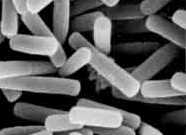 It’s unclear whether killing the bacteria called Helicobacter pylori improves symptoms in patients with dyspepsia (ie, stomach pain with fullness, bloating, or nausea). But there is benefit in people with ulcers.
Here’s a review from American Family Physician that recommends that all of us with dyspepsia be tested and treated if H. pylori is found. Recommendations from the American College of Gastroenterology are here.
Is there a role for CAM?
Continue reading The poor record of CAM to treat H. pylori bacteria
Nut products, pregnancy, and allergy risk
 For pregnant women, researchers at Utrecht University in the Netherlands identified eating nut products (not nuts) as a potential risk factor for allergy in their children. Continue reading Nut products, pregnancy, and allergy risk
CAM for psychiatric disorders in kids
 Researchers from the University of Sydney in Australia have reviewed the evidence in children and adolescents.
The authors include data from adults, because if they limited the discussion to children and adolescents it would be a very short article.
That’s not a problem here. Continue reading CAM for psychiatric disorders in kids
Home remedies to treat alopecia areata
Alopecia areata is an autoimmune disease that afflicts fewer than 2% of people younger than 50 years. It often starts in the 20s and 30s. In about 6% of these patients the disease progresses to a total loss of scalp hair.
Here are two studies using garlic gel and onion juice.
Investigating the raw food diet
 Raw food diets are predominantly plant-based diets followed with the intention of preventing chronic diseases by virtue of their high content of beneficial nutritive substances such as carotenoids.
However, little is known about the ability to maintain recommended levels of nutrients with this diet. Now, researchers from the University of Giessen in Germany are taking a closer look. Continue reading Investigating the raw food diet
Ranking supplements and herbals for cholesterol control
Healthnotes has a good review of nutritional supplements and herbals that have been studied as cholesterol-lowering options. Continue reading Ranking supplements and herbals for cholesterol control
What to do about high cholesterol in kids
 Have you heard the new recommendations from the American Academy of Pediatrics (AAP) for cholesterol screening and treatment for children? Continue reading What to do about high cholesterol in kids
A critical look at CAM on the Internet
Several years ago I was asked to lecture on evaluating the reliability and usefulness of medical information on the Web. During this meeting of the American Medical Writers Association (AMWA) in New York City, I listed three guidelines plus an additional one for CAM.
- Recognize bias
- Discount jargon
- Don’t be influenced by hearsay
- Consider CAM on its own terms
The article based on this lecture is listed here.
7/23/96 11:03 JR
Acupuncture for Parkinson’s disease
The evidence is not convincing according to Prof. Ernst and colleagues from the Peninsula Medical School in the UK.
But that’s not to say that the lack of evidence is decisive. Continue reading Acupuncture for Parkinson’s disease
Predicting patients likely to benefit from chiropractic
 Researchers at VU Medical Center in Amsterdam, the Netherlands, have identified a handful factors that predict a favorable outcome in patients with neck pain. Continue reading Predicting patients likely to benefit from chiropractic
CAM in hospice care
 If the state of Washington is any indication, CAM therapies play a significant role in hospice care.
Survey results presented during the North American Research Conference on Complementary & Integrative Medicine reveal that more than a dozen different CAM therapies are offered through hospice care in Washington, with massage, music therapy, and energy healing used most often.
BrainStim
 Dr. Iris Penner from the University of Basel in Switzerland has reported the results of a computer-based cognitive training program called BrainStim that appears to increase working memory in healthy elderly people.
Here are the highlights based on the Medscape report from the European Neurological Society meeting. Continue reading BrainStim
The NCCAM view of CAM for fibromyalgia
 The National Center for CAM (NCCAM) has summarized the state of the science. Continue reading The NCCAM view of CAM for fibromyalgia
Rebiana: The new stevia-derived sweetener.
 A series of published studies support the safety of rebiana, which is the trade name for a stevia-derived sweetener being developed by The Coca-Cola Company and Cargill. Truvia is Cargill’s brand name for the same product.
Wikipedia has a good overview of stevia and it’s relationship to rebiana.
Here’s what we know from recently published studies. Continue reading Rebiana: The new stevia-derived sweetener.