The American College of Physicians (ACP) has published recommendations for the pharmacologic treatment of low bone density and prevention of fractures in people with osteoporosis.
Dr. Perry Fine — an anesthesiologist from the University of Utah in Salt Lake City — has published an excellent review of this topic. It is essential reading for healthcare professionals as well as family and patient caregivers.
Among other issues, it provides good perspective on the role of CAM approaches to pain management in palliative care, which I have summarized here.
 Mental imagery and hypnotherapy helped alleviate pain in this study (page 55) by researchers at Bangor University in the UK presented during The British Psychological Society’s Division of Health Psychology Annual Conference. Continue reading Hypnotherapy to treat rheumatoid arthritis→
Phantom limb pain is mild to extreme pain in the area where a limb has been amputated. It usually disappears or decreases, but in some people it leads to a lifelong struggle with chronic pain.
Dr. Jack Tsao from the Uniformed Services University of the Health Sciences had excellent success using mirror and imagery therapy in patients who had a foot or leg amputated. Continue reading Using mirrors to treat phantom limb pain→
British and American guidelines recommend early referral to spinal manipulation to reduce the proportion of patients developing chronic complaints. Dutch guidelines discourage it.
I was shocked by a recent Cochrane Review that concluded, “There was no evidence that the Chinese medicinal herbal treatment caused harm” in women with breast cancer.
 Helicobacter pylori are bacteria that cause chronic low-level inflammation of the stomach lining and are linked to the development of duodenal and gastric ulcers and stomach cancer.
Dr. David Bailey from the University of Western Ontario in London, Canada reported the “grapefruit effect” more than 15 years ago — grapefruit juice increases levels of the high-blood-pressure drug felodipine (Plendil), causing potentially dangerous effects.
 Why have chiropractors been unable to establish themselves as a well-respected, highly used group of professionals who are recognized by the public as offering essential services to society?
“Around 40% of the fall in the number of deaths from cancer among U.S. men from 1991 to 2003 can be attributed to the decline in smoking,” say researchers from the American Cancer Society.
 Â The American College of Physicians (ACP) has published recommendations for the pharmacologic treatment of low bone density and prevention of fractures in people with osteoporosis.
 HemOnc Today
 Dr. Perry Fine — an anesthesiologist from the University of Utah in Salt Lake City — has published an excellent
 Researchers from King’s College in London
 Â Mental imagery and hypnotherapy helped alleviate pain in this
 Â It “could be an easy and inexpensive way to decrease aggression and abnormal behavior among preschool children,” according to
 British and American guidelines recommend early referral to spinal manipulation to reduce the proportion of patients developing chronic complaints. Dutch guidelines discourage it.
 Researchers from Florence, Italy
 Does it matter if you use antibacterial soap?
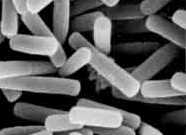 Â Helicobacter pylori are bacteria that cause chronic low-level inflammation of the stomach lining and are linked to the development of duodenal and gastric ulcers and stomach cancer.
 Â Eating nuts lowers cardiovascular disease risk.
 This
 The Dietary Approaches to Stop Hypertension (DASH) diet lowers blood pressure, But what is the effect on stroke and coronary heart disease?
 Actually, very important.