 Â Small studies suggest that massage therapy may relieve pain and other symptoms.
Here are results from a large study. Continue reading Comparing benefits of massage vs touch in cancer patients
 Small studies suggest that massage therapy may relieve pain and other symptoms.
Here are results from a large study. Continue reading Comparing benefits of massage vs touch in cancer patients
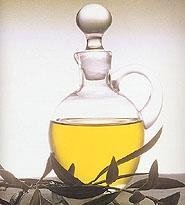 Researchers from Florence, Italy tell us if it changes the risk of death and the occurrence of Parkinson’s or Alzheimer’s diseases. Continue reading Mediterranean diet and the risk of death and disease
 Dr. David Bailey from the University of Western Ontario in London, Canada reported the “grapefruit effect” more than 15 years ago — grapefruit juice increases levels of the high-blood-pressure drug felodipine (Plendil), causing potentially dangerous effects.
Now, during the National Meeting of the American Chemical Society, he reports more juice-drug interactions. Continue reading Take your medicine with water
 Actually, very important.
“Around 40% of the fall in the number of deaths from cancer among U.S. men from 1991 to 2003 can be attributed to the decline in smoking,” say researchers from the American Cancer Society.
 Â Researchers from the University of Saskatchewan in Saskatoon, Canada report how Iyengar yoga affected their patients’ worst symptoms and more. Continue reading Iyengar yoga in a cancer center
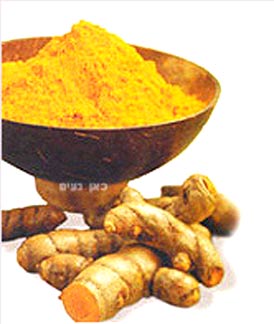 Researchers from The University of Texas M. D. Anderson Cancer Center in Houston and Sabinsa Corporation in Piscataway, New Jersey report on early research into the activity of curcumin (diferuloylmethane) in patients with pancreatic cancer. Continue reading Curcumin shows some activity in pancreatic cancer
 Researchers from Wake Forest University School of Medicine in Winston-Salem, North Carolina report on the value of music in children with leukemia receiving chemotherapy. Continue reading Benefits of music in kids with cancer
The World Cancer Research Fund and the American Institute for Cancer Research have published a tome (517 pages) titled, Food, Nutrition, Physical Activity, and the Prevention of Cancer: A Global Perspective.
The goal is to reduce the global burden of cancer through healthier living.
Best of all, it can be accomplished in just 6 easy steps in addition to not smoking or chewing tobacco. Continue reading 6 easy steps to prevent cancer
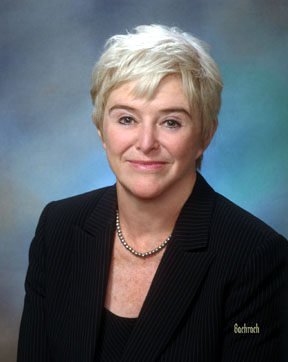 Dr. Barbara Gilchrest is professor and head of the Department of Dermatology at Boston University School of Medicine.
Here’s a summary of her take on vitamin D deficiency and the risks and benefits of exposure to the sun. Continue reading The Gilchrest view of vitamin D and sun exposure
 Â This meta-analysis concludes, “Hypnosis could be a clinically valuable intervention [to reduce] anticipatory and chemotherapy-induced nausea and vomiting in children with cancer.” Continue reading Hypnosis in children receiving cancer chemotherapy
Some studies suggest that cancer patients who take antioxidants are more likely to tolerate more full doses of chemotherapy. Continue reading Do antioxidants lower the side effects of chemotherapy?
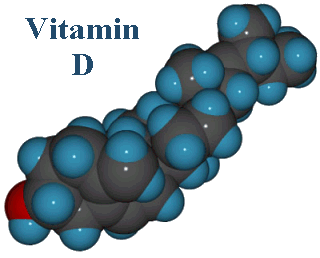 There’s so much interest in vitamin D it could use its own blog.
Here’s what I found for the first half of 2008. Continue reading Vitamin D research for 2008
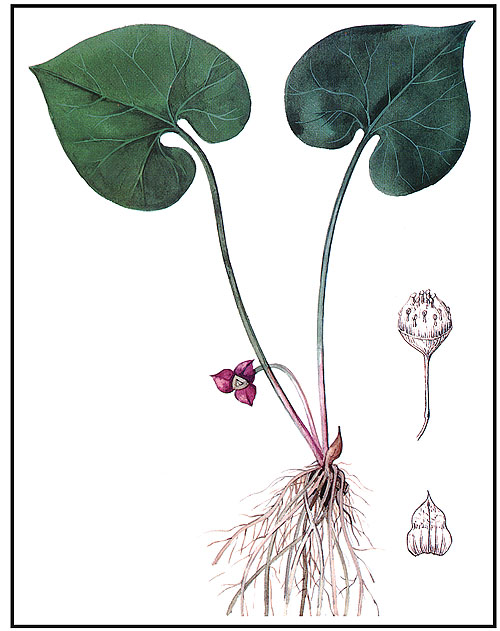 Since 1990 the U.S. Food and Drug Administration (FDA) has issued warnings about botanical products and dietary supplements containing aristolochic acid.
Now, The Lancet reports a 30 year-old Chinese man who was diagnosed with a bladder tumor after taking the Chinese herb Longdan Xieganwan for at least 5 years. (Use this link if you are not a subscriber to The Lancet.)
 Researchers from the Universidade Estadual de Campinas UNICAMP in Brazil report that acupuncture was useful for improving movement, reducing lymphoedema (swelling and accumulation of lymph around the lymph nodes), and reducing heaviness and tightness in the upper arm of patients with breast cancer. Continue reading Acupuncture and breast cancer rehabilitation
 Americans don’t meet the current fiber recommendations. The daily fiber intake by average Americans is 14 to 15 grams.
This is less than the American Dietetic Association recommended of 20 to 35 grams for adults, 25 grams for girls ages 9 through 18 years and 31 to 38 grams for boys ages 9 through 18. The American Heart Association recommends 25 to 30 g daily.
Essiac Herbal Tonics are commercially available complex mixtures of herbal extracts sold as dietary supplements and used by cancer patients based on anecdotal evidence that they can treat or prevent disease.
Let’s look look at the evidence since 2005. Continue reading Science doesn’t support the anecdotal benefits of Essiac
 Three members of the Integrative Medicine Service at Memorial Sloan-Kettering Cancer Center in New York City have published their views. Continue reading CAM for cancer survivors: The Sloan-Kettering view
 Apples are often described as a healthy food. But what’s the association with protection from cancer? Continue reading Apples and cancer risk
We’re talking about patients who undergo bariatric surgery, gastrectomy for cancer, and other procedures that remove most of the stomach. Patients sometimes have food residues and bile reflux that complicate or prevent doing the complete procedure.
What to do? Continue reading Coke before gastric endoscopy
 This is the second study in a week to report a positive effect in patients with head and neck cancer complicated by xerostomia (abnormal dryness of the mouth resulting from decreased secretion of saliva). Continue reading Acupuncture in head and neck cancer