Hyperhomocysteinemia (high blood levels of homocysteine) increases the risk of blood vessel complications in people with diabetes. Supplementation with B vitamins (pyridoxine, folic acid, B12) reduces these levels.
Researchers in Canada report the results of the (Diabetic Interventionwith Vitamins to Improve Nephropathy [DIVINe]) study, which was designed to determine whether B-vitamin therapy might slow progression of diabetic kidney disease and prevent vascular complications. Continue reading B vitamins to treat diabetic kidney disease?→
Researchers at the American Society for Bone and Mineral Research 30th Annual Meeting reported that taking vitamin C supplements might reduce the risk for hip and nonvertebral fracture. Continue reading Vitamin C lowers fracture risk→
Reviewers from The New York Headache Center concluded, “The identification of food triggers, with the help of food diaries, is an inexpensive way to reduce migraine headaches.”
Hypoxic ischemic encephalopathy is brain damage that results from a shortage of oxygen or blood flow.
Researchers from Washington DC and Cairo, Egypt combined intravenous injections of ascorbic acid (vitamin C) with ibuprofen (Advil, Motrin; a non-steroidal anti-inflammatory drug) to this condition. Continue reading Vitamin C and encephalopathy→
Researcher from Johns Hopkins Medical Institutions, in Baltimore, Maryland looked at the relationship between low vitamin D levels and the risk of having the metabolic syndrome.
Researchers from the UK studied the effects of not smoking, physical activity, moderate alcohol intake, and vitamin C blood levels as an indication of fruit and vegetable intake on the risk of stoke. Continue reading Health habits and the risk of stroke→
Biliary atresia is a rare disease of infants in which the flow of bile from the liver to the intestine may be blocked and requires surgery. Even after surgery, bile flow may be impaired and lead to a deficiency of fat-soluble vitamins. In this case, vitamin supplements may be needed.
 Hyperhomocysteinemia (high blood levels of homocysteine) increases the risk of blood vessel complications in people with diabetes. Supplementation with B vitamins (pyridoxine, folic acid, B12) reduces these levels.
 Dr. Stewart Tepper from the Cleveland Clinic Foundation in Ohio
 Thanks to a barrage of recent studies and conflicting media messages, consumers are


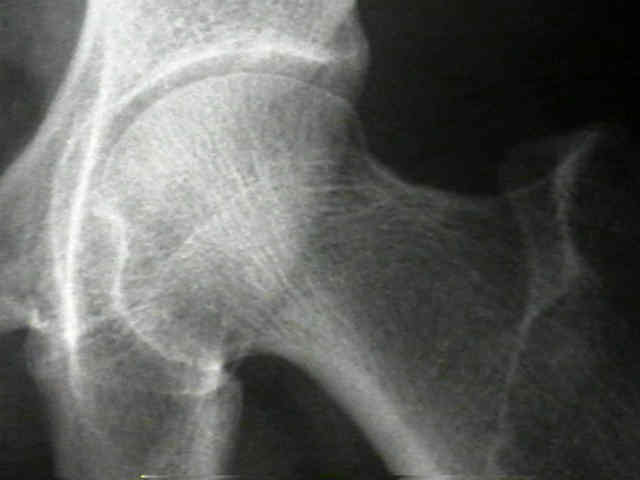 Researchers at the American Society for Bone and Mineral Research 30th Annual Meeting
 The Cochrane Library has
 Reviewers from The New York Headache Center
 Claire Williamson, Nutrition Scientist at the British Nutrition Foundation in London, has
 The paucity of well-designed studies in patients makes it difficult to make specific recommendations,
 Hypoxic ischemic encephalopathy is brain damage that results from a shortage of oxygen or blood flow.
 Researcher from Johns Hopkins Medical Institutions, in Baltimore, Maryland
 Millions of postmenopausal women use multivitamins.
 Researchers from the UK
 Biliary atresia is a rare disease of infants in which the flow of bile from the liver to the intestine may be blocked and requires surgery. Even after surgery, bile flow may be impaired and lead to a deficiency of fat-soluble vitamins. In this case, vitamin supplements may be needed.
 To manage vasomotor symptoms, researchers from Thomas Jefferson University in Philadelphia
 Age-related macular degeneration (AMD) is the leading cause of severe irreversible vision loss in older Americans.
 Cochrane has
 It depends on what’s being reported.
 Ascorbic acid (vitamin C) supplementation protected against exercise-induced airway narrowing in this small group of people with asthma.