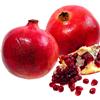
 Researchers at the Medical University of Vienna reported disappointing results. Continue reading Pomegranate seed oil and menopausal symptoms
Category Archives: E. DIETARY
Blood pressure effects of low- and high-salt diets
I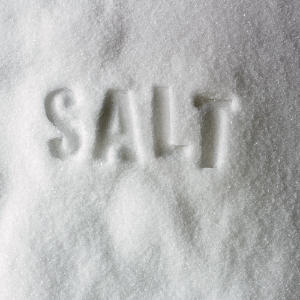 n this Cochrane review, researchers at Copenhagen University Hospital, in Denmark, estimated the effects of low-sodium vs. high-sodium intake on blood pressure (BP), renin, aldosterone, catecholamines, and lipids. Continue reading Blood pressure effects of low- and high-salt diets
Effect of eating frequency on adiposity
 Researchers at the University of California, in Berkeley, studied girls, 9 to 20 years old. Continue reading Effect of eating frequency on adiposity
Do fruit and veggies lower colorectal cancer risk?
 It’s controversial.
Now, researchers at Imperial College, in London, UK, have reviewed the evidence. Continue reading Do fruit and veggies lower colorectal cancer risk?
Review: CAM for ADHD
 Complementary and alternative medicines (CAM) are frequently given to children and adolescents for reputed benefits for hyperkinetic and concentration disorders such as attention deficit hyperactivity disorder (ADHD).
Researchers in Arizona and Australia assessed the evidence based on the results of studies providing an acceptable standard of evidence. Continue reading Review: CAM for ADHD
Treating COPD with vitamin D
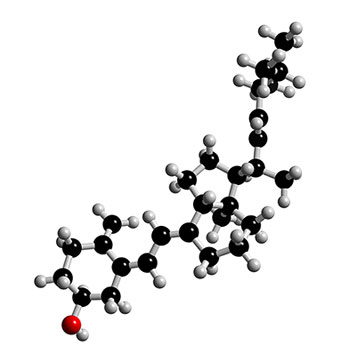 Low vitamin D levels are associated with reduced lung function (FEV1), impaired immunologic control, and increased airway inflammation.
Many patients with chronic obstructive pulmonary disease (COPD) have vitamin D deficiency. So, researchers at the University Hospitals Leuven, in Belgium, studied whether supplementation with high doses of vitamin D could reduce the incidence of COPD exacerbations. Continue reading Treating COPD with vitamin D
Effects of palm oil on cholesterol
 Researchers at the University of Copenhagen, in Frederiksberg, Denmark, compared the effects of a diet rich in palm olein (the liquid portion of a fat) to fractionated palm oil, olive oil, and lard. Continue reading Effects of palm oil on cholesterol
Review: Ginger to treat pain
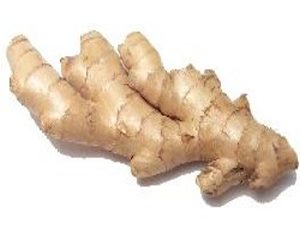 Zingiber officinale, commonly known as ginger, has been used to treat pain, among other things.
Prof. Ernst and colleagues from the University of Exeter, in the UK reviewed the evidence for the use of ginger to treat any type of pain. Continue reading Review: Ginger to treat pain
Balancing the heart benefits vs mercury risks in fish
 The benefits of eating fish on heart attack risk is mostly due to the effects of omega-3 fatty acids. But, fish also contains methylmercury, which may increase the risk of heart attack.
Researchers at Umea University, in Sweden, determined how eating fish and red blood cell concentrations of mercury and selenium are related to the risk of a heart attack and whether omega-3 fatty acids are protective. Continue reading Balancing the heart benefits vs mercury risks in fish
Resveratrol flawed science, and more
 The University of Connecticut reports that Dr. Dipak Das falsified the results of some studies of resveratrol.
But the CAM connection goes deeper. Continue reading Resveratrol flawed science, and more
Effect of dietary protein on blood pressure levels
 There’s an inverse association between dietary protein intake and blood pressure.
How much? Researchers at Tulane University School of Public Health and Tropical Medicine, in New Orleans, Louisiana, compared the effects of soy protein and milk protein to carbohydrate supplementation in healthy adults. Continue reading Effect of dietary protein on blood pressure levels
CAM options to treat chronic constipation
 Chronic constipation is common among the elderly and women. Doctors prescribe various treatments, and patients often use over-the-counter remedies.
Researchers at Queen’s University, in Kingston, Ontario, reviewed the evidence and provide perspective. Continue reading CAM options to treat chronic constipation
Finally, sanity in the salt wars
For decades, politicians like Mayor Michael Bloomberg of NYC have tried to get Americans to eat less salt.
Now Scientific American asks, “But if the US does conquer salt, what will we gain?”
Answer: bland french fries. Continue reading Finally, sanity in the salt wars
First study of Yerba Mate for osteoporosis
 Drinking Yerba Mate (Ilex paraguariensis) tea is popular in Argentina and other South American countries.
Researchers at the National University of Cuyo, in Mendoza, Argentina, measured effects of Yerba Mate as part of a program for osteoporosis prevention and treatment in postmenopausal women. Continue reading First study of Yerba Mate for osteoporosis
Omega-3 and the risk of dementia
 Researchers at the National University Hospital, in Singapore, studied the association between taking long chain omega-3 polyunsaturated fatty acid supplements and cognitive decline in an older Chinese. Continue reading Omega-3 and the risk of dementia
Krill oil vs fish oil
 Researchers at Akershus University College, in Lillestrom, Norway, studied the effects of krill oil and fish oil on lipid blood levels and oxidative stress and inflammation in healthy people. Continue reading Krill oil vs fish oil
Effect of insufficient sleep on dieting
 Researchers at the University of Chicago, in Illinois, determined whether sleep restriction attenuates the effect of dieting on excess adiposity. Continue reading Effect of insufficient sleep on dieting
Feverfew and ginger treat migraine
 The drug class, triptans is considered the “gold standard” of migraine therapy. Yet, they have limitations and many patients are seeking other therapeutic alternatives.
Researchers in the US studied feverfew + ginger for treating attacks of migraine early during the mild headache phase. Continue reading Feverfew and ginger treat migraine
CAM for the common cold?
 While rhinoviruses cause upto half of colds, up to 200 other viruses have been implicated.
Researchers at the University of Ottawa, in Ontario, reviewed the evidence for CAM to treat and prevent the common cold. Continue reading CAM for the common cold?
Antioxidants and the risk of stroke in women
Eating antioxidant-rich foods may reduce the risk of stroke.
Researchers at Karolinska Institutet, in Stockholm, Sweden, examined the association between dietary total antioxidant capacity and stroke incidence in 2 groups of women. Continue reading Antioxidants and the risk of stroke in women