Raw food diets are predominantly plant-based diets followed with the intention of preventing chronic diseases by virtue of their high content of beneficial nutritive substances such as carotenoids.
However, little is known about the ability to maintain recommended levels of nutrients with this diet. Now, researchers from the University of Giessen in Germany are taking a closer look. Continue reading Investigating the raw food diet→
A series of published studies support the safety of rebiana, which is the trade name for a stevia-derived sweetener being developed by The Coca-Cola Company and Cargill. Truvia is Cargill’s brand name for the same product.
Wikipedia has a good overview of stevia and it’s relationship to rebiana.
Farm-raised tilapia, one of the most highly consumed fish in America, has very low levels of beneficial omega-3 fatty acids and, perhaps worse, very high levels of omega-6 fatty acids, according to research from Wake Forest University School of Medicine.
Data suggest that soy foods are as good as other protein sources for promoting weight loss, according to researchers at the University of Alabama in Birmingham.
The National Stroke Association along with Bristol-Meyers Squibb Sanofi Pharmaceuticals sponsors the STARS program, which is designed to inform stoke patients how to reduce their risk for recurrent stroke.
According to Claire Williamson, a nutrition scientist for the British Nutrition Foundation, “There appears to be a perception among many consumers that organic foods are more nutritious… However, to date there are limited data to support this view.”
The FDA has developed an interactive online learning program that is also available in a downloadable format. It’s designed to help consumers understand and use the Nutrition Facts label in planning a healthy diet while managing calorie intake.
I think it might be most useful for teachers and nutritionists in their educational activities.
In 2003, the FDA stated, “Scientific evidence suggests, but does not prove, that eating 1.5 ounces per day of most nuts, such as pistachios, as part of a diet low in saturated fat and cholesterol may reduce the risk of heart disease.”
In April, GlaxoSmithKline filed a citizen’s petition with the FDA asking the agency to treat weight loss claims for dietary supplements as disease claims.
The European Prospective Investigation into Cancer and Nutrition (EPIC) is designed to investigate the relationship between diet and cancer. It’s a multicenter study of more than 500,000 adults in 23 centers from 10 European countries.
In her book, Queen of Fats, medical writer Susan Allport contends that for optimum health and disease prevention, the balance should be one to four times more omega-6 fatty acids than omega-3 fatty acids.
 Raw food diets are predominantly plant-based diets followed with the intention of preventing chronic diseases by virtue of their high content of beneficial nutritive substances such as carotenoids.
 A series of published studies support the safety of rebiana, which is the trade name for a stevia-derived sweetener being developed by The Coca-Cola Company and Cargill. Truvia is Cargill’s brand name for the same product.
 Farm-raised tilapia, one of the most highly consumed fish in America, has very low levels of beneficial omega-3 fatty acids and, perhaps worse, very high levels of omega-6 fatty acids, according to
 At the Annual Meeting of the Associated Professional Sleep Societies (SLEEP 2008), researchers from Brazil
 Apples are often described as a healthy food. But what’s the association with protection from cancer?
 Coffee is a complex mixture of more than 1,000 compounds, some of which are linked to good and others to bad effects on human health.
 Data suggest that soy foods are as good as other protein sources for promoting weight loss,
 The National Stroke Association along with Bristol-Meyers Squibb Sanofi Pharmaceuticals sponsors the STARS program, which is designed to inform stoke patients how to reduce their risk for recurrent stroke.
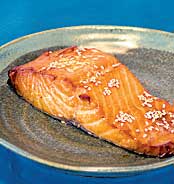 Over 22 years, men who ate fish had a lower
 Lowering sodium in your diet will lower your blood pressure, but what about other cardiovascular benefits?
 According to Claire Williamson, a nutrition scientist for the British Nutrition Foundation, “There appears to be a perception among many consumers that organic foods are more nutritious… However, to date there are limited data to support this view.”
 The authors of this
 The FDA has developed an interactive online learning program that is also available in a downloadable format. It’s designed to help consumers understand and use the Nutrition Facts label in planning a healthy diet while managing calorie intake.
 In 2003, the FDA
 In April, GlaxoSmithKline filed a citizen’s
 Volunteers in a
 The European Prospective Investigation into Cancer and Nutrition (EPIC) is designed to investigate the relationship between diet and cancer. It’s a multicenter
 According to this