 The use of prayer is rarely queried in surveys of CAM use. Here are the highlights from a Centers for Disease Control survey on the use of CAM. It’s based on interviews with more than 31,000 adults. The report is available here (then go to the “Barnes PM” link) and here. Continue reading The use of prayer as CAM
Category Archives: C. MIND-BODY THERAPIES
The positive link between religiosity and health
 Religion is a formal structured way in which people in groups worship God. Most articles show a positive link (first listing) between religiosity and health outcomes, says Margot Trotter Davis from the Heller School of Social Policy and Management at Brandeis University.
For example.
Continue reading The positive link between religiosity and health
Spirituality today lowers the risk of drug use next year
 Some researcher and editors must think that jargon-filled writing increases the relevance of their work. Here’s an abstract from a study where the word “shibboleth” was used.
Ten points if you know the definition of “shibboleth” without looking it up. Bonus points if you can use it in a sentence where no other simpler English-language word can be used.
That said. Here’s my summary of this spirituality study, with “shibboleth” deleted.
Continue reading Spirituality today lowers the risk of drug use next year
Psychological methods to treat epilepsy
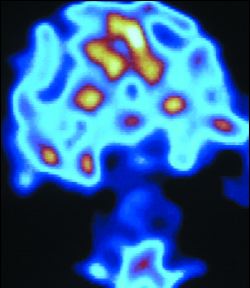 Cochrane review evaluates the evidence for treating epilepsy by using psychological methods to reduce seizure frequency and improve quality of life.
Here’s what was found with respect to seizure frequency. Continue reading Psychological methods to treat epilepsy
Treating depression after coronary artery bypass
 Â Researchers from Washington University School of Medicine, in St. Louis, Missouri compared cognitive behavior therapy and supportive stress management. Continue reading Treating depression after coronary artery bypass
Benefits of cognitive training after stroke
 Â Researchers from the University of Toronto, in Ontario have reviewed the contributions of cognitive strategies for improving muscle function (motor skills) after stroke. Continue reading Benefits of cognitive training after stroke
May is stroke month
 So, here’s a list of studies on CAM and stroke that were published in the past year. Continue reading May is stroke month
Music therapy for patients with heart disease?
 Some changes are reported.
But from a practical perspective, the benefits of music are unclear, according to this Cochrane review. Continue reading Music therapy for patients with heart disease?
Distinguishing between reiki and therapeutic touch
 Actually, it’s not that easy to do.
Several years ago, Dr. Pamela Potter was supervising Reiki volunteers at Yale-New Haven Hospital in Connecticut as a doctoral candidate in the School of Nursing.
She’s qualified, if anyone is, to distinguish between these two disciplines.
Continue reading Distinguishing between reiki and therapeutic touch
Behavior therapy for late-life anxiety
 Â Cognitive behavioral therapy can be useful for managing worry and associated symptoms among older patients, according to researchers at Baylor College of Medicine, in Houston, Texas. Continue reading Behavior therapy for late-life anxiety
CAM: A Sloan-Kettering perspective
 Memorial Sloan-Kettering Cancer Center in New York City has an active integrative medicine department. Entries on this blog related to studies and perspective by its faculty can be found here.
Now, researchers from Sloan-Kettering have categorized the beneficial and the potentially hazardous CAM options used by patients with cancer. Continue reading CAM: A Sloan-Kettering perspective
Bright light, melatonin, and dementia
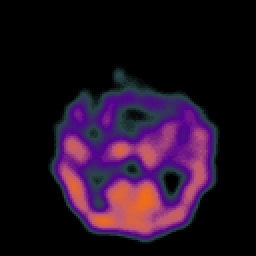 Researchers from the Netherlands set about to determine whether the progressive changes in symptoms seen in dementia might be affected by the 2 major synchronizers of the circadian timing system: bright light and melatonin. Continue reading Bright light, melatonin, and dementia
Yoga for depression and anxiety in women
 Researchers from Azad University, in Mashhad, Iran report that yoga reduced anxiety but not depression.
Here’s a summary of what they and others have found. Continue reading Yoga for depression and anxiety in women
Biofeedback and gastrointestinal illness
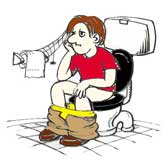 A review of the literature by researchers from the University of Verona in Italy reveals that in the right patient, “For both incontinence and dyssynergic defecation, the benefits of biofeedback last at least 12 months.”
Dyssynergic defecation is one of the most common forms of functional constipation both in children and adults. Continue reading Biofeedback and gastrointestinal illness
Quality of life and well-being in HIV patients
 Researchers from University of Zurich in Switzerland report that cognitive behavioral stress management (CBSM) improved both. Continue reading Quality of life and well-being in HIV patients
Problem-solving therapy for stroke patients
 Depression occurs in more than half of patients who experience a stroke.
Researchers from the University of Iowa in Iowa City compared the number of cases of depression in stoke patients while taking escitalopram (Lexapro) or participating in problem-solving therapy (PST) during the first year following their stroke. Continue reading Problem-solving therapy for stroke patients
CAM use among patients with arthritis
 Researchers from the University of North Carolina School of Medicine, Chapel Hill reviewed the evidence. Continue reading CAM use among patients with arthritis
Non-pharmacological treatments for breathlessness
 Â Here are the results of a Cochrane review of non-drug options in advanced stages of malignant and non-malignant diseases. Continue reading Non-pharmacological treatments for breathlessness
So many ways to manage insomnia
 Â So, why am I still awake?
Researchers from the University of Texas Southwestern Medical Center at Dallas review nonpharmacologic options. It’s for anyone who wants to start a discussion with their doctor or healthcare provider. Continue reading So many ways to manage insomnia
Spirituality/religion and kidney dialysis
 Dr. Barry Nierenberg at Nova Southeastern University in Fort Lauderdale, Florida studies the relationship between faith and health.
His findings were presented during the American Psychological Association’s Division of Rehabilitation Psychology national conference. Continue reading Spirituality/religion and kidney dialysis