 In 2003, Professor Edzard Ernst writing on the Cochrane Collaboration website concluded, “Compared with placebo, kava extract is an effective symptomatic treatment for anxiety although, at present, the size of the effect seems small.” Continue reading A critical review of herbals to treat anxiety and depression
Professor Ernst cautions against upper spinal manipulation
 Professor Edzard Ernst from the Universities of Exeter & Plymouth in the UK is an outspoken critic of CAM.
In an interview, he says, “If any drug were linked to such rates of harm [as is spinal manipulation], I somehow doubt that it would still be on the market.” Continue reading Professor Ernst cautions against upper spinal manipulation
Latest data on CAM use in the US
 This report from Mintel International Group Ltd. will set you back about $3000.
Here’s what they tell us for free. Continue reading Latest data on CAM use in the US
Yoga for rheumatic diseases
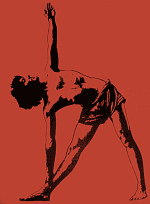 Dr. Marian Garfinkel is clinical investigator at the University of Pennsylvania Medical School. She’s written a review of yoga as a complementary therapy.
Several diseases are covered, as well as background on yoga. Let’s focus on yoga and rheumatic disease. Continue reading Yoga for rheumatic diseases
Integrating CAM in Seattle
 The Seattle Times reports that Group Health Cooperative and Bastyr University will initiate a program this summer where senior students in naturopathy will “shadow” Group Health doctors and nurses during patient visits.
Please accept these recommendations based on my experience as a clinical pharmacist, educator, and student who made rounds during the early days of clinical pharmacy education. Continue reading Integrating CAM in Seattle
Historical perspective on naturopathic medicine
 The following overview of naturopathic medicine in the U.S. is summarized from the Bastyr University website and based on an article on The American Association of Naturopathic Physicians website.
The word “naturopathy” was first used in the U.S. a little over 100 years ago.
Continue reading Historical perspective on naturopathic medicine
Prolotherapy and low-back pain
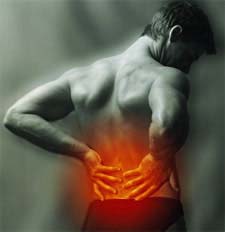 When combined with spinal manipulation, exercise, and other co-interventions, prolotherapy may improve chronic low-back pain and disability.
Think of it as complementary therapy for complementary therapy. Continue reading Prolotherapy and low-back pain
Endorsement of a complementary approached to pain therapy
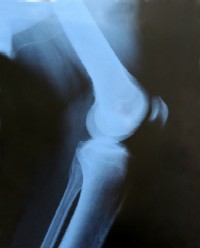 Recommendations from the American College of Rheumatology (ACR) for the medical management of osteoarthritis of the hip and knee include nondrug combined with drug treatment. Continue reading Endorsement of a complementary approached to pain therapy
Using CAM to complement conventional pain treatments
Researchers from Bastyr University in Seattle, Washington survey the use of CAM among people with chronic pain and wonder “whether opioids can be reduced by introducing such therapies.” Continue reading Using CAM to complement conventional pain treatments
Yoga for chronic back pain
Here are the results from 3 studies of yoga for chronic back pain.
Reported cost-savings with CAM-oriented primary care
The costs and clinical utilization data between CAM and conventional medical clinics were compared for an integrative medicine independent physician association (IPA) whose primary care physicians (PCPs) were exclusively doctors of chiropractic. Continue reading Reported cost-savings with CAM-oriented primary care
Quyu Xiaoban in patients with unstable angina pectoris
 The standard of care for unstable angina (the intermediate state between stable angina and having a heart attack) starts with prompt treatment using aspirin, beta-blockers, and statins.
Here’s what happened when Quyu Xiaoban (QYXB) was given with the aspirin. Continue reading Quyu Xiaoban in patients with unstable angina pectoris
Rolfing: “Scientifically validated” body restructuring and movement education?
 One certified Rolfer says it is, but she offers no links to studies to support the statement.
So, I searched PubMed for any articles with “Rolfing” in the title or text. Continue reading Rolfing: “Scientifically validated” body restructuring and movement education?
Benefits of folic acid fortification in Canada
 It’s associated with a significant reduction in the rate of neural-tube defects (eg, spina bifida) in Canada. Continue reading Benefits of folic acid fortification in Canada
Final FDA rule lists good manufacturing practices for dietary supplements
 Loren Israelsen, executive director of the United Natural Products Alliance, gave the report thumbs up. Continue reading Final FDA rule lists good manufacturing practices for dietary supplements
Black cohosh and green tea extract may get warning labels
A United States Pharmacopeia (USP) Committee has reviewed reports that suggest a link between liver damage and the use of products that contain green tea extracts and black cohosh.
Yes, liver toxicity is rare, but? Continue reading Black cohosh and green tea extract may get warning labels
The evidence for qigong in patients with high blood pressure
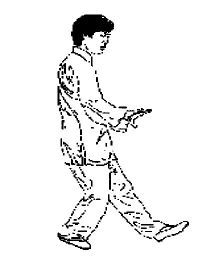 Professor Edzard Ernst and colleagues from the Universities of Exeter & Plymouth in the UK report encouraging evidence for qigong in the treatment of high systolic blood pressure. Continue reading The evidence for qigong in patients with high blood pressure
Don’t assume that sun exposure ensures adequate vitamin D levels
 The results of this study suggest that “variable responsiveness to UVB radiation is evident among individuals, causing some to have low vitamin D status despite abundant sun exposure.”
Really? Continue reading Don’t assume that sun exposure ensures adequate vitamin D levels
Nonpharmacological recommendations to foster sleep
 Dr. Anna Morin and colleagues from the Massachusetts College of Pharmacy and Health Sciences report, “Most nonpharmacologic interventions can be combined with one another or with pharmacologic interventions to optimize outcomes, particularly in those with chronic and debilitating insomnia.”
Their article is well referenced and discusses many options. But most interesting is the mention of a 1999 review of the benefits from nonpharmacological treatments of chronic insomnia. Continue reading Nonpharmacological recommendations to foster sleep
The long-term effect of selenium on diabetes risk
 An article in the Annals of Internal Medicine reports, “Selenium supplementation does not seem to prevent type 2 diabetes, and it may increase risk for the disease.” Continue reading The long-term effect of selenium on diabetes risk