 It appears to take a village. Continue reading Community-based options to preserve independence in elderly people
Benefits of omega-3 in Alzheimer’s disease
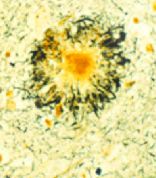 Â An omega-3 fatty acid supplement enriched with docosahexaenoic acid (DHA) may positively affect weight and appetite in patients with mild to moderate Alzheimer’s disease, according to researchers at the Karolinska University Hospital Huddinge in Stockholm, Sweden. Continue reading Benefits of omega-3 in Alzheimer’s disease
Garlic and the risk of cancer
 Â The FDA has evaluated the scientific evidence for garlic intake with respect to the risk of different types of cancer. Continue reading Garlic and the risk of cancer
Negative effects of marijuana in multiple sclerosis
 In contrast to the anecdotal reports of benefit with cannabis, this study from researchers at the University of Toronto in Canada uncovers the downside of street cannabis in patients with multiple sclerosis (MS). Continue reading Negative effects of marijuana in multiple sclerosis
Can you pay people to lose weight?
 Yes, “economic incentives produced significant weight loss” short-term, according to researchers in Pennsylvania. Continue reading Can you pay people to lose weight?
Ginseng’s effect on the immune system
 The first two months of the official 2008 (October to mid-May) U.S. flu season show low activity so far.
But that’s not likely to curtail sales of ginseng. It’s is the most popular herbal product in the U.S., according to a survey in 2002, published here and reviewed here. Continue reading Ginseng’s effect on the immune system
Should air travel be restricted during flu season?
 A detailed analysis of influenza patterns indicates that the sharp dip in air travel after September 11, 2001 slowed the spread of the flu and delayed the onset of the 2001-2002 U.S. flu season.
I almost always develop flu-like symptoms following air travel. Researchers at the Harvard-MIT Health Sciences and Technology program show I’m not alone.
Continue reading Should air travel be restricted during flu season?
CAM use in the US
 The National Center for Complementary and Alternative Medicine (NCCAM) reports that approximately 38% of adults and 12% of children use some form of CAM. Continue reading CAM use in the US
Nasal irrigation to treat rhinosinusitis
 Rhinosinusitis is an inflammation of the nose (rhinositis) and the sinuses (sinusitis).
The Cochrane Collaboration states, “The use of nasal irrigation for the treatment of nose and sinus complaints has its foundations in yogic and homeopathic traditions. It is often prescribed as an adjunct to other treatments such as intranasal steroids or antibiotics.” Continue reading Nasal irrigation to treat rhinosinusitis
Warming up before playing soccer
 Â A comprehensive warm-up program designed to reduce the risk of injuries in female youth football (aka soccer) reduced some injuries but not others. Continue reading Warming up before playing soccer
Biofeedback complements stroke patients’ rehabilitation
 In this study, researchers from the University of São Paulo School of Medicine, in Brazil combined electromyographic biofeedback with occupational therapy and functional electrical stimulation in hemiplegic patients. Continue reading Biofeedback complements stroke patients’ rehabilitation
Unintended consequences of government-run healthcare
Rationing is being introduced in Scotland to control rising demand for free personal care for older people. Continue reading Unintended consequences of government-run healthcare
Marijuana and the onset in psychotic disorders
 Early onset of psychosis is associated with a history of lifetime cannabis abuse or dependence, according to researchers at Harvard Medical School in Boston. Continue reading Marijuana and the onset in psychotic disorders
Slow-release garlic for cholesterol
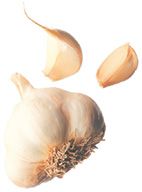 Â Researchers from the Russian Academy of Medical Sciences report positive effects on lipid blood levels when people with mild hypercholesterolemia were treated with a slow-release garlic product called Allicor. Continue reading Slow-release garlic for cholesterol
The end of peer review medical journals?
 Â Peter Frishauf (photo), the founder of Medscape, videotaped an editorial.
He has 2 predictions. Continue reading The end of peer review medical journals?
Reducing the energy density of childrens’ diets
 Â Researchers from The Pennsylvania State University at University Park studied the effect of reducing the energy density (ED) of multiple meals on the dietary choices of preschool-age children. Continue reading Reducing the energy density of childrens’ diets
Herbal alternative to control intestinal spasm
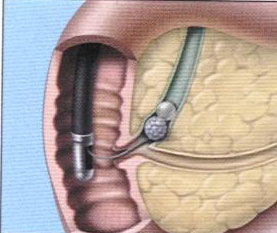 Endoscopic retrograde cholangiopancreatography (ERCP) is used to diagnose and treat conditions of the bile ducts, including gallstones, inflammatory strictures (scars), leaks (from trauma and surgery), and cancer.
Researchers from Chiba University in Japan used shakuyaku-kanzo-to (TJ-68) to suppress spasms of the small intestine during ERCP procedures. Continue reading Herbal alternative to control intestinal spasm
Lack of acupuncture’s effect on arm pain due to repetitive use
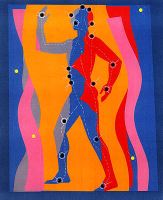 In fact, this study found that sham acupuncture had marginally better results. Continue reading Lack of acupuncture’s effect on arm pain due to repetitive use
More benefits of tai chi in elderly people
 There are some benefits in eye-hand coordination, according to this study from researchers in Taiwan. Continue reading More benefits of tai chi in elderly people
Using ginkgo biloba to treat Raynaud’s disease
 People with Raynaud’s disease experience cold and pain in their fingers, toes, nose, and ears when exposed to temperature changes or stress.
The World Health Organization recommends using ginkgo to treat Raynaud’s disease.
Actually, the scientific support for this recommendation is minimal –- just one positive study published in 2003. Continue reading Using ginkgo biloba to treat Raynaud’s disease