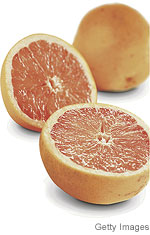
 According to Dr. William McCloskey, the likelihood of drug:grapefruit juice interactions having a negative effect on a patient’s response to the drug has not been clearly established.
This might be due to the fact that many drugs affected by grapefruit juice have a wide therapeutic index. In other words, toxic blood levels are so much higher than the blood levels needed to achieve an effective treatment dose that any increase caused by grapefruit juice is not sufficient to reach toxicity.
That’s not to say there is no risk of a grapefruit juice:drug interaction.
Unfortunately, the source article has been deleted, but here’s the bottom line. If you take any of the drugs listed below and feel you must drink grapefruit juice, first discuss it with your doctor.
- Amiodarone (Cordarone)
- Atorvastatin (Lipitor)
- Buspirone (Buspar)
- Carbamazepine (Tegretol)
- Clomipramine (Anafranil)
- Cyclosporine (Sandimmune, Neoral)
- Diazepam (Valium)
- Etoposide (VePesid)
- Felodipine (Plendil)
- Fexofenadine (Allegra)
- Itraconazole (Sporanox)
- Lovastatin (Mevacor)
- Methadone (Methadose)
- Midazolam (Versed)
- Nicardipine (Cardene)
- Nifedipine (Procardia)
- Nimodipine (Nimotop)
- Nisoldipine (Sular)
- Saquinavir (Invirase)
- Sildenafil (Viagra)
- Simvastatin (Zocor)
- Triazolam (Halcion)
3/19/08 11:13 JR
 Researchers from the Russian Academy of Natural Sciences, in Moscow
 Thanks to a barrage of recent studies and conflicting media messages, consumers are
 Researchers from Georgetown University in Washington, DC
 “No ibuprofen [Advil, Motrin, Nuprin, Medipren] dose adjustments appear warranted when the drug is administered orally with St. John’s wort,” according to this study by Dr. Edward Bell in an article published in The Annals of Pharmacotherapy.
 CYP3A4 is a member of the liver enzymes known as the cytochrome P450 mixed-function oxidase system. It’s one of the most important enzymes involved in the metabolism of drugs.
 Dr. Thomas Lenz from Creighton University, in Omaha, Nebraska
 In addition to interacting with midazolam (Versed for sedation and anxiety), researchers from the FDA and the NIH
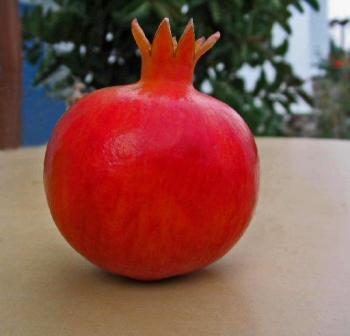 Â In this patient, it appears there was greater “blood thinning” effect when pomegranate was taken with warfarin (Coumadin),
 From the St. Louis College of Pharmacy, in Missouri comes this
 Â Here’s a
 A reader who gets pain relief from this Chinese “herbal” product asks why it’s illegal in the US.
 Researchers from the University of Sydney in Australia have
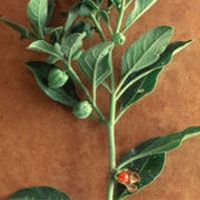 Ashwagandha (Withania somnifera; winter cherry) belongs to the pepper family. The root is used in Indian Ayurvedic medicine as an aphrodisiac, liver tonic, anti-inflammatory agent, and astringent.