Several years ago a study in human liver tissue and in rats concluded that pomegranate juice inhibited CYP3A — a liver enzyme in the cytochrome P450 system important for metabolizing drugs. The implications were that — just as with grapefruit — people taking drugs such as statins for cholesterol might be exposed to much higher blood levels and greater risk of side effects.
We now find that when studied in healthy volunteers, pomegranate juice is not associated with this risk.
I previously posted that being without my cell phone stresses me out. So, in the spirit of cell phones as complementary medicine, I summarized the results of a Mayo Clinic study showing that cell phones did not affect hospital equipment.
Schisandra sphenanthera (Nan Wu Wei Zi, lemon-wood) is “commonly used in Chinese herbalism, where it is considered to be one of the 50 fundamental herbs.” I found no clinical study in humans to support the many claims for this Chinese herbal medicine.
Dr. James Beaulieu, a clinical pharmacist specialist at Rhode Island Hospital in Providence, has published an excellent review of this topic.
If you are receiving immunosuppressive treatments and taking or considering taking any herbal medicine, consult this article first.
Immunosuppressive therapy is used for the following reasons.
Prevent rejection of transplanted organs and tissues (eg, bone marrow, heart, kidney, liver)
Treat autoimmune diseases or diseases that are most likely of autoimmune origin (eg, rheumatoid arthritis, myasthenia gravis, systemic lupus erythematosus, Crohn’s disease, and ulcerative colitis)
A list and overview of immunosuppressive drugs are available here.
9/24/06 11:18 JR
Complementary and Alternative Medicine: Fair, Balanced, and to the Point
 Several years ago a study in human liver tissue and in rats concluded that pomegranate juice inhibited CYP3A — a liver enzyme in the cytochrome P450 system important for metabolizing drugs. The implications were that — just as with grapefruit — people taking drugs such as statins for cholesterol might be exposed to much higher blood levels and greater risk of side effects.
 I previously
 Schisandra sphenanthera (Nan Wu Wei Zi, lemon-wood) is “commonly
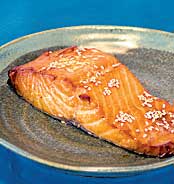 Over 3 decades, the potential health benefits of omega-3 polyunsaturated fatty acids have been studied, debated, and explained.
 Here is an example of a Chinese herbal medicine (dan shen) interacting with a lab test to cause an inaccurate digoxin blood level result.
 Dr. James Beaulieu, a clinical pharmacist specialist at Rhode Island Hospital in Providence, has published an excellent