 Not much evidence is available. But here’s what 2 researchers from the University of Pittsburgh in Pennsylvania discovered during their review of 20 published studies. Continue reading Mind-body interventions for chronic pain in older adults
Category Archives: K. SPECIAL GROUPS
Music for pain and anxiety in children
 Researchers from the University of Alberta in Edmonton, Canada report, that “music is effective in reducing anxiety and pain in children undergoing medical and dental procedures.” Continue reading Music for pain and anxiety in children
Snoezelen for dementia
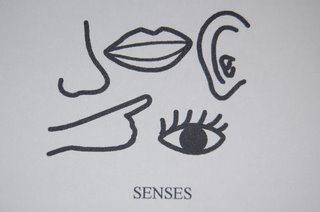 Snoezelen (or multi-sensory stimulation) is used to promote positive mood in older people with dementia, as well as manage maladaptive behaviors (eg, autism and other behaviors that interfere with everyday activities).
The Snoezelen (pronounced SNOOzelen) environment provides gentle stimulation of the primary senses. The objective is to overcome inhibitions, enhance self-esteem, and reduce tension.
A Cochrane review found no scientific support, but others disagree. Continue reading Snoezelen for dementia
Managing pelvic and back pain during pregnancy
 There are lots of recommendations to prevent or treat this cause of back pain.
Here’s what the Cochrane Collaboration found.
Continue reading Managing pelvic and back pain during pregnancy
Qigong benefits in elderly people with depression
 The results of this study show that regular qigong practice could relieve depression and improve self-efficacy and personal well being among elderly persons with chronic physical illness and depression.
The real message is that active seniors have better quality of life than their sedentary neighbors. Continue reading Qigong benefits in elderly people with depression
Fatty acids and behavior in adolescents with ADHD
 This study shows that there are metabolic differences in the way that adolescents with attention-deficit hyperactivity disorder (ADHD) handle dietary fatty acids compared to young people without ADHD. Continue reading Fatty acids and behavior in adolescents with ADHD
The pros and cons of folic acid fortification of foods
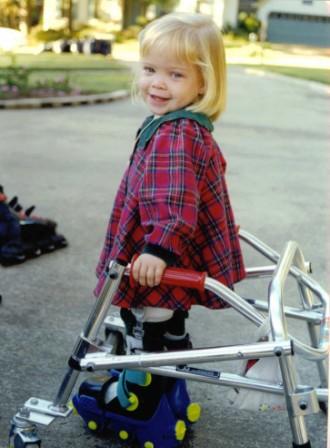 Fortifying food, such as wheat and corn flour, with folic acid reduces the risk of spina bifida in babies.
This public health practice was introduced 10 years ago in North America. Now, that practice is being debated in the UK and worldwide. “Are the benefits to the few outweighed by possible harm to some of the many exposed? Continue reading The pros and cons of folic acid fortification of foods
Preventing Falls: What Works
 That’s the title of a new CDC book, which presents “specific interventions that have rigorous scientific evidence of effectiveness” in lowering the risk of falls among the elderly. Continue reading Preventing Falls: What Works
Cost-effectiveness of music therapy in palliative care
Reminiscence music reportedly reduces the symptoms of depression in patients with dementia. It’s also effective for agitation and disruptive behavior in patients with dementia, and makes it easier to provide care.
Now, researchers from the Kaiser Foundation Hospital in Santa Clara, California report that music therapy makes fiscal sense as well. Continue reading Cost-effectiveness of music therapy in palliative care
Vitamin E supplements and the risk of lung cancer
 A recent review of the medical literature revealed that except for prostate cancer, there was no evidence that vitamin E could protect from getting lung, stomach, esophageal, pancreatic, breast, or thyroid cancer.
Now, this study by researchers at the University of Washington in Seattle reports negative news for the vitamin E supplements and lung cancer. Continue reading Vitamin E supplements and the risk of lung cancer
Ginkgo delays progression to dementia
 But only if you remember to take it.
That’s the conclusion from researchers at the Oregon Health & Science University in Portland. Continue reading Ginkgo delays progression to dementia
Lack of benefit from calcium supplements in young girls
 A recent review of the medical literature concluded that calcium supplementation is unlikely to reduce the risk of fracture, either in childhood or later life.
Now, researchers from the University of Sheffield in the UK take another look at the effects of calcium supplementation on bone growth in adolescent girls. Continue reading Lack of benefit from calcium supplements in young girls
Benefits of music therapy in children with cancer
Researchers from no fewer than 11 centers in the US report that music therapy helps with coping-related behaviors in hospitalized children receiving cancer treatment. Continue reading Benefits of music therapy in children with cancer
Training the elderly to maintain their reasoning ability
A large-scale study of elderly people reports that training to improve reasoning results in less functional decline in activities of daily living over 5 years of follow-up.
Here are the details from the Advanced Cognitive Training for Independent and Vital Elderly (ACTIVE) study.
Continue reading Training the elderly to maintain their reasoning ability
Summarizing benefits of acupuncture
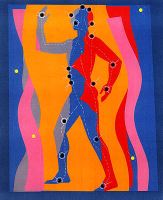 Dr. Paul White from the University of Texas Southwestern Medical Center in Dallas has reviewed the medical literature and published a summary of the state of the art of acupuncture to manage pain. Continue reading Summarizing benefits of acupuncture
What we know about black cohosh
 A continuing education article on Medscape presents a nice summary on the use of black cohosh to treat the symptoms of menopause. Continue reading What we know about black cohosh
Reducing the risk of cerebral palsy with magnesium
Magnesium sulfate is given to prevent seizures in pregnant women with preeclampsia (high blood pressure, edema, and protein in the urine) and to inhibit preterm labor.
This Medscape report from the meeting of the Society for Maternal-Fetal Medicine states that injections of magnesium sulfate may protect against moderate to severe cerebral palsy. Continue reading Reducing the risk of cerebral palsy with magnesium
Acupuncture improves the rate of pregnancy
It also increases the likelihood of live births when used with embryo transfer in women undergoing in vitro fertilization, according to this latest review of the medical literature. Continue reading Acupuncture improves the rate of pregnancy
Calcium supplements of little benefit to children
A review of 19 studies involving more than 2800 healthy children concluded that calcium supplementation is unlikely to reduce the risk of fracture, either in childhood or later life.
What should we make of this finding when we all know how important calcium is to making strong bones?
Continue reading Calcium supplements of little benefit to children
Can you commit to butterbur?
 Placebo-controlled trials document the effectiveness of butterbur to treat the runny nose, sneezing, congestion, and irritation in the nose, eyes, throat and ears associated with allergic rhinitis. It’s as effective as two widely used prescription drugs.
Continue reading Can you commit to butterbur?