Pelargonium sidoides (aka EPs 7630 and Umckaloabo) is an herbal extract derived from the gerenium. It’s used to treat acute respiratory tract infections (ARIs) where antibiotics are unnecessary.
As we age, zinc deficiency combined with impaired immunity increase our susceptibility to infection.
Now, a study hows that zinc supplementation raises zinc blood levels, and lowers circulating proteins that increase the risk of infection. Most importantly, it also lowered the rate of infection in the elderly.
Two white physicians simply sat for a time and respectfully and attentively conversed about end-of-life care with 23 terminally ill Black patients at Grady Memorial Hospital in Atlanta Georgia. Almost every patient willingly brought up spirituality.
In their article based on this experience they conclude that to understand and show respect for patients’ spiritual views in the context of the patient doctor relationship are keys to providing excellent palliative care.
If the state of Washington is any indication, CAM therapies play a significant role in hospice care.
Survey results presented during the North American Research Conference on Complementary & Integrative Medicine reveal that more than a dozen different CAM therapies are offered through hospice care in Washington, with massage, music therapy, and energy healing used most often.
Dr. Iris Penner from the University of Basel in Switzerland has reported the results of a computer-based cognitive training program called BrainStim that appears to increase working memory in healthy elderly people.
Dr Alfred Tomatis developed a technique using modified music to stimulate connections between the ear and the nervous system in order to affect aspects of human development and behavior.
His research suggested that the hearing of many people with autism is severely sensitized to the point that even normal classroom noises are painful and disorienting.
Americans don’t meet the current fiber recommendations. The daily fiber intake by average Americans is 14 to 15 grams.
This is less than the American Dietetic Association recommended of 20 to 35 grams for adults, 25 grams for girls ages 9 through 18 years and 31 to 38 grams for boys ages 9 through 18. The American Heart Association recommends 25 to 30 g daily.
 Pelargonium sidoides (aka EPs 7630 and Umckaloabo) is an herbal extract derived from the gerenium. It’s used to treat acute respiratory tract infections (ARIs) where antibiotics are unnecessary.
 Â This meta-analysis
 Researchers from Guy’s and St Thomas’ Hospital in London have
 Researchers from the Harvard School of Public Health in Boston tell us eating (a lot) more soy food results in lower sperm counts.
 There appear to be beneficial effects on the skeleton.
 As we age, zinc deficiency combined with impaired immunity
 Two white physicians simply sat for a time and respectfully and attentively conversed about end-of-life care with 23 terminally ill Black patients at Grady Memorial Hospital in Atlanta Georgia. Almost every patient willingly brought up spirituality.
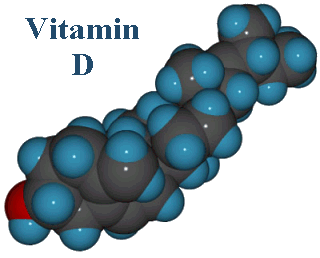 There’s so much interest in vitamin D it could use its own blog.
 In Connecticut, the elderly benefit when healthcare providers allocate a part of their patient care time to fall prevention.
 Researchers from the University of Sydney in Australia have
 Have you heard the new recommendations from the American Academy of Pediatrics (AAP) for cholesterol screening and treatment for children?
 If the state of Washington is any indication, CAM therapies play a significant role in hospice care.
 Dr. Iris Penner from the University of Basel in Switzerland has reported the results of a computer-based cognitive training program called BrainStim that appears to increase working memory in healthy elderly people.
 It turns out that Australia has one of the highest rates of allergic disease (hay fever, asthma, hives) in the world.
 Dr Alfred Tomatis developed a technique using modified music to stimulate connections between the ear and the nervous system in order to affect aspects of human development and behavior.
 Americans don’t meet the current fiber recommendations. The daily fiber intake by average Americans is 14 to 15 grams.