 Those are the findings of the Physicians’ Health Study II — an 8-year study of vitamin E and vitamin C in men.
Should we apply these findings to everyone? Continue reading Vitamins E and C fail to prevent heart disease
Those are the findings of the Physicians’ Health Study II — an 8-year study of vitamin E and vitamin C in men.
Should we apply these findings to everyone? Continue reading Vitamins E and C fail to prevent heart disease
 Patients with higher A1C may benefit, according to researchers from Ben-Gurion University of the Negev in Israel. Continue reading The effect of alcohol on the control of diabetes
 It’s effective and safe as add-on therapy following major operations, according to researchers at the VA Hospitals in Ann Arbor, Michigan and Indianapolis, Indiana. Continue reading Massage to help treat pain after surgery
 Reviewers from the University of Ulster in Northern Ireland believe acupuncture should complement conventional care of low back pain. Continue reading A review of acupuncture for low back pain
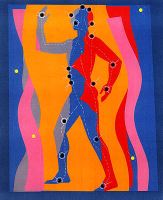 Professor Ernst and colleagues have reviewed the evidence.
They’re not convinced. My view is less negative.
Continue reading Acupuncture to treat hot flashes in breast cancer
 Dr. John Ashton from the University of Otago in New Zealand tells an interesting story about the potential for acetaminophen (paracetamol; Tylenol) to act as a “better” cannabinoid. Continue reading Using acetaminophen to get safer cannabinoid effects
Researchers from Italy and the US studied changes in psychological symptoms, reasoning, abuse, tolerability, quality of life, fatigue, and ability to control movement in patients with multiple sclerosis (MS) who had never before been exposed to cannabis. Continue reading Response to cannabis by non-smokers with MS
 Researchers from Canada and Scotland studied an automated system designed to assist people with dementia get through activities of daily living –- in this case hand washing -– and reduce caregiver burden. Continue reading COACHing people with dementia to better self care
Is there a role for omega-3, red yeast rice, and garlic in preventing cardiovascular problems? Continue reading 3 CAM options to replace statins???
 Black cohosh (Cimicifuga racemosa) is used to treat symptoms of menopause.
Prof. Ernst and a colleague from the University of Naples Federico II in Italy delve into the scientific literature on its safety. Continue reading Safety of black cohosh
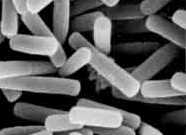 Ventilator-associated pneumonia is a form of pneumonia that occurs in hospitalized patients receiving assisted breathing (mechanical ventilation) through a tube for at least 48 hours.
Researchers in Sweden conducted a study to evaluate the value of a probiotic to prevent the growth of unwanted bacteria along the breathing (endotracheal or tracheostomy) tube. Continue reading Novel use of probiotics in critically ill patients
 Reviewers from The University of Sheffield in the UK report that based on the available research, “chiropractic care is associated with improved outcomes in pregnancy-related low back pain.”
The studies are weak, however. Continue reading Chiropractic for pregnancy-related back pain
Another result from Tuesday’s US election — 63% of voters in Michigan approved of letting people who are ill grow their own pot. Continue reading Michigan voters say OK to medical marijuana
Researchers from Ochsner Medical Center in New Orleans, Louisiana have reviewed homocysteine and concluded that it’s “one facet of a complex metabolic puzzle — a veritable Rubik’s cube — that promotes atherosclerosis.” Continue reading Review of homocysteine and the risk of heart disease
 Yes, yes, yes, it was October 20th, and I missed it.
But here’s a summary of CAM research on osteoporosis reported in 2008. Continue reading World osteoporosis day
 Â Researchers in Boston evaluated the effect of combined folic acid, vitamin B6, and vitamin B12 treatment on cancer risk in women at high risk for cardiovascular disease.
Here are the findings from the Women’s Antioxidant and Folic Acid Cardiovascular Study. Continue reading Vitamin cocktail and the risk of cancer
 There was an association between higher intake of skim milk and more pimples in this study. Continue reading Milk and acne risk in teenage boys
 Â Increasing degrees of sleep apnea are associated with lower blood levels of omega-3 fatty acids, according to researchers at the University of Missouri at Kansas City.
Here are the findings presented during CHEST 2008, the American College of Chest Physicians 74th Annual Scientific Assembly. Continue reading Sleep apnea and the relation to omega-3 fatty acids
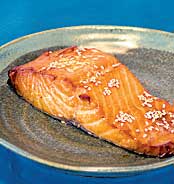 Researchers from the University of South Dakota in Sioux Falls have reviewed the rationale for recommending long-chain omega-3 fatty acids — eicosapentaenoic acid and docosahexaenoic acid (EPA and DHA) — in pill or fish form for general heart health.
Here it is in case your forgot. Continue reading Rationale for omega-3 fatty acids in heart disease
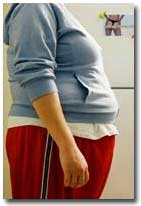 “Some scientists believe that in our quest to lose weight, we are not eating enough fat, or at least not the right kind of fat. What’s missing from our diet,” according to a NewsTarget.com article, “is conjugated linoleic acid (CLA), which is found in red meat, lamb, and dairy products.
Now, a reanalysis of the literature supports this point of view. Continue reading “American paradox.” Or, how I stopped dieting and lost weight