Medscape has posted a series of videos by the American College of Sports Medicine (ACSM) and the American Medical Association (AMA) intended to identify principles and help improve health and well-being through regular physical activity. Continue reading Exercise is medicine→
Dr. Paul Williams from the U.S. Department of Energy’s Lawrence Berkeley National Laboratory has published 2 studies on the effects of exercise on cataracts (here) and age-related macular degeneration (AMD) (here). Continue reading Exercise to prevent vision loss→
An epidemiologist from the UK, he proved the connection between exercise and heart health, and laid the scientific groundwork for the modern aerobics movement. Continue reading Obituary: Jeremy Morris→
Researchers from the UK studied the effects of not smoking, physical activity, moderate alcohol intake, and vitamin C blood levels as an indication of fruit and vegetable intake on the risk of stoke. Continue reading Health habits and the risk of stroke→
Exercise is an important part of diabetes treatment, but when insulin is involved — even in a person with type 2 diabetes — precautions should be taken.
Coronary artery calcification is the accumulation of calcified fatty deposits on the inside of the arteries that supply blood to the heart. Their presence is a predictor of future coronary heart disease. Researchers from the University of Chicago in Illinois report that sleeping longer is associated with lower calcification.
As we all know, aerobic capacity is perhaps the most important indicator of physical fitness. And no, according to this review by Prof. Ernst, tai chi does not increase it.
 Ergonomic adjustments (modified keyboard layouts and ergonomic advice) play a major role in treating most work-related complaints.
 This
 Medscape has
 Dr. Paul Williams from the U.S. Department of Energy’s Lawrence Berkeley National Laboratory has published 2 studies on the effects of exercise on cataracts (
 An epidemiologist from the UK, he proved the connection between exercise and heart health, and laid the scientific groundwork for the modern aerobics movement.
 Researchers from the UK
 To manage vasomotor symptoms, researchers from Thomas Jefferson University in Philadelphia
 Exercise is an important part of diabetes treatment, but when insulin is involved — even in a person with type 2 diabetes — precautions should be taken.
 This is a follow-up to an earlier
 Researchers from Texas Woman’s University, in Denton looked for synergism.
 Ascorbic acid (vitamin C) supplementation protected against exercise-induced airway narrowing in this small group of people with asthma.
 Researchers from the University of Leicester, in the UK put the pedometer through its
 Women transfer about 200 mg of calcium per day to breast milk. Over 6 months, that could be up to 9% of bone mineral density.
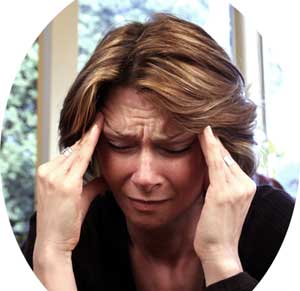 Researchers from the University for Regensburg in Bayern, Germany
 Coronary artery calcification is the accumulation of calcified fatty deposits on the inside of the arteries that supply blood to the heart. Their presence is a predictor of future coronary heart disease. Researchers from the University of Chicago in Illinois
 The results of this
 As we all know, aerobic capacity is perhaps the most important indicator of physical fitness. And no, according to this review by Prof.