 The value of conventional treatment is limited, and so is CAM.
Let’s review. Continue reading CAM for Raynaud’s phenomenon?
The value of conventional treatment is limited, and so is CAM.
Let’s review. Continue reading CAM for Raynaud’s phenomenon?
 Of the many symptoms experienced by those at the end of life, pain is one of the most common, feared, and often undertreated,
Dr. Perry Fine from the University of Utah in Salt Lake City reviews the treatment options, including CAM. Here’s a summary. Continue reading CAM options to treat pain at the end of life
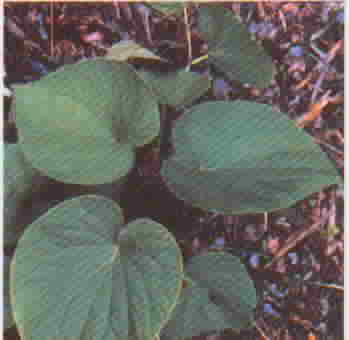 Piper methysticum (kava) has been withdrawn for sale in several countries due to concerns over liver toxicity.
The WHO recently recommended research into “aqueous” extracts of kava. Here are the results the Kava Anxiety Depression Spectrum Study (KADSS). Continue reading “Aqueous” extracts of kava to treat depression and anxiety
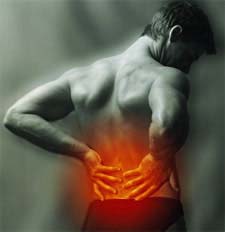 It’s just that the selection of acupoints and penetration of the needles appeared to be unimportant, according to the SPINE (Stimulating Points to Investigate Needling Efficacy) researchers. Continue reading Acupuncture is effective for back pain, but…
 Â According to the Wall Street Journal, government officials are considering different public-health efforts to help people curb the weight problem. Continue reading Time for the soda tax?
 Â Many tinnitus sufferers believe their condition will not respond to psychological treatments.
In December 2008, researchers from Philipps University of Marburg, in Germany reported a positive study. Continue reading Biofeedback behavioral treatment for tinnitus
 Researchers from Italy focused on women suffering from migraine with aura. Continue reading First look at ginkgo to prevent migraine
 I’ll present the details and let nurse Sandy Szwarc from Junkfood Science provide analysis. Continue reading Does aminophylline cream reduce BMI?
 Â Since starting this blog in 2006 there have been more than 150 posts about omega-3 fatty acids.
Believe it or not, most pregnant women in Australia still have no clue. Continue reading Ignorance of omega-3 among Australians
 Researchers from Kyung Hee University Medical Center, in Seoul, Korea searched the literature. Continue reading Review: Acupuncture for menopausal symptoms
Researchers from Norway report it reduced both frequency and intensity. Continue reading Acupuncture for hot flashes
 Charite University Medical Center, in Berlin, Germany reports its experience. Continue reading Safety of acupuncture in Germany
 Â Researchers from the University of Ferrara, in Italy tell us yoga-derived breathing improves gas exchange in patients with chronic heart failure and in people exposed to high-altitude hypoxia.
Here’s what they found in patients with chronic obstructive pulmonary disease (COPD). Continue reading Yoga in patients with COPD
 Â Spending just 30 minutes with the patient improved adherence to asthma treatment and control over the disease, according to researchers at the University of California, San Francisco. Continue reading Benefits of individualized asthma care
 Most discussions about the aftermath of trauma focus on the negative. However, some psychologists believe that although damaging, the experience of trauma can also inspire some people to change in positive ways — experience posttraumatic growth. Continue reading The effect of prayer on posttraumatic growth
 Researchers from the University of Miami, in Florida reviewed of evidence that may help explain why religious people tend to live slightly longer lives; suffer less from depressive symptoms; avoid trouble with sex, drugs, and the police; do better in school; enjoy more stable and more satisfying marriages; and more regularly visit their dentists. Continue reading Religion, self-regulation, and self-control
 The use of prayer is rarely queried in surveys of CAM use. Here are the highlights from a Centers for Disease Control survey on the use of CAM. It’s based on interviews with more than 31,000 adults. The report is available here (then go to the “Barnes PM” link) and here. Continue reading The use of prayer as CAM
Religion is a formal structured way in which people in groups worship God. Most articles show a positive link (first listing) between religiosity and health outcomes, says Margot Trotter Davis from the Heller School of Social Policy and Management at Brandeis University.
For example.
Continue reading The positive link between religiosity and health
As dying patients adjust to the irreversible nature of their illness, their needs and focus of care change. Spiritual issues may become a central concern for them, and addressing these issues can be key to relieving suffering. Physicians, unfortunately, have little training in this area and are often uncomfortable discussing spirituality.
Enter bioethicists Roberta and Erich Loewy.
Continue reading Meeting spiritual and religious needs of dying patients
 Some researcher and editors must think that jargon-filled writing increases the relevance of their work. Here’s an abstract from a study where the word “shibboleth” was used.
Ten points if you know the definition of “shibboleth” without looking it up. Bonus points if you can use it in a sentence where no other simpler English-language word can be used.
That said. Here’s my summary of this spirituality study, with “shibboleth” deleted.
Continue reading Spirituality today lowers the risk of drug use next year