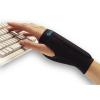
 Aside from surgery, splinting, exercises, and other alternative therapies have been used.
Researchers at Oregon Health & Science University reviewed the evidence. Continue reading Review: CAM options for carpel tunnel syndrome
Aside from surgery, splinting, exercises, and other alternative therapies have been used.
Researchers at Oregon Health & Science University reviewed the evidence. Continue reading Review: CAM options for carpel tunnel syndrome
 Acute coronary syndrome refers to any condition brought on by sudden, reduced blood flow to the heart causing chest pain during a heart attack or chest pain at rest or doing light physical activity (unstable angina).
Researchers at Shanghai Jiaotong University, School of Medicine, in China, tested berberine’s effects on ACS patients following percutaneous coronary intervention (PCI) (aka angioplasty or stent placement). Continue reading Berberine to treat acute coronary syndrome
 It’s controversial.
Now, researchers at Imperial College, in London, UK, have reviewed the evidence. Continue reading Do fruit and veggies lower colorectal cancer risk?
 Complementary and alternative medicines (CAM) are frequently given to children and adolescents for reputed benefits for hyperkinetic and concentration disorders such as attention deficit hyperactivity disorder (ADHD).
Researchers in Arizona and Australia assessed the evidence based on the results of studies providing an acceptable standard of evidence. Continue reading Review: CAM for ADHD
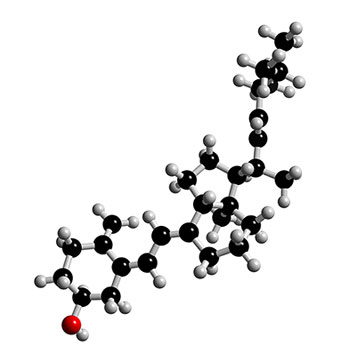 Low vitamin D levels are associated with reduced lung function (FEV1), impaired immunologic control, and increased airway inflammation.
Many patients with chronic obstructive pulmonary disease (COPD) have vitamin D deficiency. So, researchers at the University Hospitals Leuven, in Belgium, studied whether supplementation with high doses of vitamin D could reduce the incidence of COPD exacerbations. Continue reading Treating COPD with vitamin D
 Not a lightweight, Dr. Alex Hutchinson’s doctoral degree in physics is from the University of Cambridge.
Now, he corrects what we thought we knew about exercise. Continue reading Debunking exercise myths
 Researchers at the University of Copenhagen, in Frederiksberg, Denmark, compared the effects of a diet rich in palm olein (the liquid portion of a fat) to fractionated palm oil, olive oil, and lard. Continue reading Effects of palm oil on cholesterol
 Researchers at Klein Buendel Inc, in Golden, Colotrado, examined compliance with sunscreen advice at ski areas in western North America. Continue reading Few skiers use sunscreen as directed
 Researchers from the University of Nevada, in Las Vegas examined the effects of telling people that they can learn a task. Continue reading We are what we believe we are
 Researchers at the University of British Columbia Okanagan, reviewed the evidence to determine whether physical fitness and function benefits are achieved through the practice of yoga. Continue reading Does yoga improve fitness in older adults?
 Zingiber officinale, commonly known as ginger, has been used to treat pain, among other things.
Prof. Ernst and colleagues from the University of Exeter, in the UK reviewed the evidence for the use of ginger to treat any type of pain. Continue reading Review: Ginger to treat pain
 Cold temperatures or strong emotions in people with Raynaud’s phenomenon (disease) result in blood vessel spasms (attacks), which block blood flow to the fingers, toes, ears, and nose.
Researchers at Radboud University Nijmegen Medical Centre, in the Netherlands explored the possible beneficial effects and tolerability of Ginkgo biloba special extract EGb 761. Continue reading Ginkgo biloba extract EGb 761 to treat Raynaud’s
 Researchers in South Carolina conducted this review. Continue reading Homeopathic treatments for psychiatric conditions
The presence of the APOE epislon4 gene is a genetic risk factor for Alzheimer’s disease.
Researchers at Washington University in St. Louis, Missouri, examined whether physical exercise alters the association between APOE gene and amyloid deposition in normal adults. Continue reading Lowering dementia risk in selected people
The benefits of eating fish on heart attack risk is mostly due to the effects of omega-3 fatty acids. But, fish also contains methylmercury, which may increase the risk of heart attack.
Researchers at Umea University, in Sweden, determined how eating fish and red blood cell concentrations of mercury and selenium are related to the risk of a heart attack and whether omega-3 fatty acids are protective. Continue reading Balancing the heart benefits vs mercury risks in fish
 During infectious disease outbreaks, data collected through health institutions and official reporting structures may not be available for weeks, hindering early epidemiologic assessment.
Researchers in Boston and Quebec studied informal media as an option to provide earlier estimates of epidemic dynamics. Continue reading Using Twitter to spot cholera: it’s what’s trending now
 The University of Connecticut reports that Dr. Dipak Das falsified the results of some studies of resveratrol.
But the CAM connection goes deeper. Continue reading Resveratrol flawed science, and more
… and other things you should know.
The authors tell us, “Yoga is considered a mind-body type of complementary and alternative medicine practice. Continue reading Mayo Clinic lists the benefits of yoga
Researchers at the Regional Research Institute of Homeopathy, Jin aipur (Rajasthan), India, studied patients with acute otitis media. Continue reading Homeopathic vs conventional treatment of otitis media
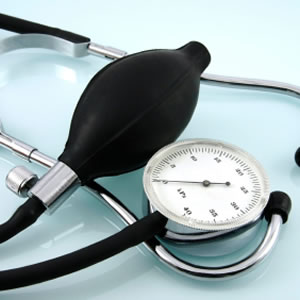 There’s an inverse association between dietary protein intake and blood pressure.
How much? Researchers at Tulane University School of Public Health and Tropical Medicine, in New Orleans, Louisiana, compared the effects of soy protein and milk protein to carbohydrate supplementation in healthy adults. Continue reading Effect of dietary protein on blood pressure levels