Adequate calcium intake (along with adequate vitamin D status) reduces bone loss in peri- and postmenopausal women and reduces fractures in postmenopausal women older than age 60 with low calcium intake.
It’s a key component of any bone-protective treatment.
The Zoft Gum Company, which makes several herbal supplement chewing gums (eg, breast enlargement, weight reduction) has introduced a new gum to help manage the symptoms of menopause.
There are no studies of this gum for treating menopausal symptoms in women. And the discussion of the gum’s ingredients on the Zoft website is misleading.
Researchers from the Medical University of Vienna reviewed and reanalyzed the results from 25 studies of the treatment of the climacteric syndrome (menopause).
This site has discussed black cohosh before. Our focus was on the lack of effectiveness for the treatment for menopausal symptoms, and the lack of manufacturing standards that result in variability in product content of black cohosh.
Now, following an analysis of 16 case reports of hepatotoxicity associated with the use of Cimicifugae racemosae rhizoma (black cohosh, root), the European Medicines Agency has advised consumers to stop taking black cohosh and consult their doctor immediately if they develop signs and symptoms suggestive of liver injury. Examples include tiredness, loss of appetite, yellowing of the skin and eyes, or severe upper stomach pain with nausea and vomiting or dark urine.
“More than half of women who treat their symptoms of menopause take soy supplements or herbal products as part or all of their therapy.” states The New York Times, which reported on a recently published article in the journal Menopause.
However, the women in this online survey generally felt illinformed about proper doses and use of herbal products.
When The Washington Post published an article (discussed here) reporting the negative results from a study of acupuncture and other CAM treatments for hot flashes, it elicited an international response in defense of CAM.
A recent study reported that self-acupuncture was associated with long-term relief of vasomotor symptoms (hot flushes) in patients with breast cancer or prostate cancer who are undergoing anticancer therapy.
Unfortunately, this does not seem to apply to women in perimenopause.
 Adequate calcium intake (along with adequate vitamin D status) reduces bone loss in peri- and postmenopausal women and reduces fractures in postmenopausal women older than age 60 with low calcium intake.
 The Zoft Gum Company, which makes several herbal supplement chewing gums (eg, breast enlargement, weight reduction) has
 Researchers from the Medical University of Vienna reviewed and reanalyzed the
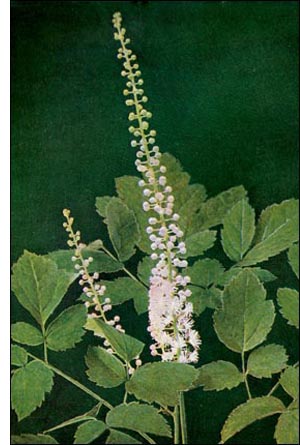 This site has discussed black cohosh
 Loser: Not only doesn’t it work, but governments all over the world are piling on black cohosh.
 Another study reports that black cohosh is
 Here are the results of a
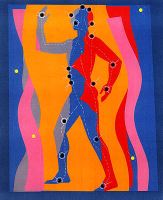 When The Washington Post published an article