The benefits of eating fish on heart attack risk is mostly due to the effects of omega-3 fatty acids. But, fish also contains methylmercury, which may increase the risk of heart attack.
Postural orthostatic tachycardia syndrome (aka POTS, postural tachycardia syndrome) occurs when an abnormal increase in heart rate accompanies going from lying down to an upright position.
Researchers at Akershus University College, in Lillestrom, Norway, studied the effects of krill oil and fish oil on lipid blood levels and oxidative stress and inflammation in healthy people. Continue reading Krill oil vs fish oil→
Fat around the heart may be detrimental for cardiac function, especially in patients with metabolic disease such as diabtes.
During the Radiological Society of North America meeting, researchers from Leiden University Medical Center, in Netherlands, assessed the long-term effects of initial weight loss using caloric restriction on pericardial fat content and cardiac function in patients with type 2 diabetes mellitus. Continue reading Dieting to improve heart function in diabetes→
During the American Diabetes Association 71st Scientific Sessions, researchers from The University of Texas Health Science Center at San Antonio reported on (abstract 0062-OR) the relationship between drinking diet soft drinks and long-term changes in waist circumference. Continue reading Do diet soft drinks predispose to obesity?→
Cardiac tamponade (aka pericardial tamponade) is an emergency condition in which fluid accumulates in the pericardium (the sac in which the heart is enclosed).
Researchers at Harvard Medical School, in Boston, examined the effect of taking folic acid, vitamin B-12, and vitamin B-6 on cognitive change in women with cardiovascular disease or risk factors cardiovascular disease. Continue reading B vitamins and the risk of dementia→
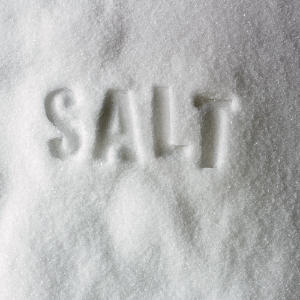
After more than 2 decades of warning us about the evils of too much salt in the diet, an international group of researchers looked for an association between estimated urinary sodium and potassium excretion (surrogates for intake) and cardiovascular events in patients with established cardiovascular disease or diabetes mellitus. Continue reading New view of the risks of sodium intake on health and disease→
FDA advises that prescription proton pump inhibitor drugs may cause low magnesium blood levels (hypomagnesemia) if taken, in most cases, longer than one year.
Red yeast rice is an alternative therapy to treat high cholesterol levels. It contains monacolins that may inhibit HMG-CoA reductase — the enzyme inhibited by statins.
 The benefits of eating fish on heart attack risk is mostly due to the effects of omega-3 fatty acids. But, fish also contains methylmercury, which may increase the risk of heart attack.