 Is excessive sugar intake associated with development of type 2 diabetes?
Researchers in California studied whether altering sugar intake might account for differences in diabetes prevalence. Continue reading Impact of sugar intake on diabetes risk
Is excessive sugar intake associated with development of type 2 diabetes?
Researchers in California studied whether altering sugar intake might account for differences in diabetes prevalence. Continue reading Impact of sugar intake on diabetes risk
 Many dietary supplements are advocated to reduce certain symptoms of premenstrual syndrome (PMS). However, only one — calcium — has been demonstrated to be of significant benefit.
Researchers at the University of Massachusetts, in Amherst, studied the effects of taking iron, potassium, zinc, and other minerals. Continue reading Impact of dietary minerals on PMS
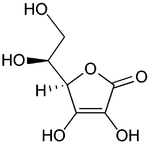 Vitamin C (ascorbic acid) for preventing and treating the common cold has been a subject of controversy for 70 years.
Now, The Cochrane Library has reviewed the data. Continue reading Here’s what we know about vitamin C and the common cold
 Few studies have examined differences in ischemic heart disease risk between vegetarians and nonvegetarians.
Now, researchers at the University of Oxford, in the UK fill that void. Continue reading Clear benefits of a vegetarian diet on the risk of heart disease
 The most common use of ginger during pregnancy is to help relieve symptoms of queasiness and nausea.
Researchers at the University of Bergen, in Norway reviewed its safety in these women. Continue reading Safety of taking ginger while pregnant
 Concern arises from the increased use of fructose and high-fructose corn syrup as a sweetener.
Researchers in Switzerland and Belgium reviewed the evidence.
Here’s what we know. Continue reading Dietary fructose and the risk of metabolic diseases
 Diets and dietary supplements are often used by people with multiple sclerosis (MS).
This updated Cochrane review reports on studies of dietary habits as an effective treatment for MS patients. Continue reading Diets for multiple sclerosis
 Dr. David Bailey from the University of Western Ontario in London, Canada, reported the “grapefruit effect” more than 15 years ago.
Now, Dr. Bailey and coworkers at the University of Western Ontario tell us that while 17 drugs were identified in 2008 as having the potential to cause serious problems when taken with grapefruit, this number has now grown to 43. Continue reading Expanding the list of drugs that interact with grapefruit juice
 Cranberry-containing products are a folk remedy to prevent UTIs.
Researchers in Taipei and Boston evaluated their value and factors influencing their effectiveness. Continue reading Cranberry-containing products to prevent urinary tract infections
 Prior studies suggest that cherry products have urate-lowering effects and anti-inflammatory properties, with the potential to reduce gout pain.
Researchers at Boston University School of Medicine, in Massachusetts studied the relationship between cherry intake and the risk of recurrent gout attacks among people with gout. Continue reading Eating cherries to lower the risk of gout attacks
 The Centers for Disease Control and Prevention reports that the overall prevalence of hypertension among US adults between 2003 and 2010 was 30%, or about 67 million people. About 36 million (54%) had uncontrolled hypertension.
Researchers at Wake Forest University School of Medicine, in Winston-Salem, North Carolina, examined the prevalence of CAM use among older adults with and without diagnosed high blood pressure and the degree to which CAM is used specifically for the treatment of high blood pressure. Continue reading CAM use among people with high blood pressure
 Low vitamin D levels are associated with depressive symptoms, especially in people with a history of depression.
Researchers at the University of Massachusetts, in Amherst, evaluated the impact of daily supplementation with vitamin D combined with elemental calcium on depression. Continue reading Testing the effect of vitamin D treatment on symptoms of depression
 That’s right. Financial Times reports veggie only outlets will appear in Amritsar, home to the Golden Temple, the holiest site of India’s minority Sikh faith, and the small town of Katra, the base for Hindus visiting the mountain shrine of Vaishno Devi, the second busiest pilgrimage spot in India. Continue reading McDonald’s is setting up vegetarian outlets
 Organic food is grown without using synthetic fertilizers, chemical pesticides and insecticides, growth hormones, or antibiotics. It cannot be irradiated, contain genetically engineered organisms or genetically modified organisms, and cannot be grown using sewage sludge fertilizer.
Researchers at Stanford University, in California, reviewed the evidence that farming by these criteria is better than conventional methods. Continue reading Health effects of organic vs conventional foods
 Energy drinks are consumed by 30% to 50% of adolescents and young adults. The manufacturers claim they are safe.
Researchers at the University of Miami, in Florida reviewed the evidence and came to a different conclusion. Continue reading Safety of energy drinks
 Researchers in the Netherlands have reported their findings in the Active Prevention in High-Risk Individuals of Diabetes Type 2 in and Around Eindhoven (APHRODITE) study. Continue reading Contributions of the counselor in diabetes lifestyle education
 Research shows that coffee and caffeine are associated with increased blood pressure (acutely), (nor)epinephrine levels, arterial stiffness and impaired vasodilation.
But according to researchers in the US, drinking just the right amount may lower your risk for heart failure. Continue reading Heart failure and the benefits of drinking coffee
 Vitamin D appears to affect many health outcomes.
An international group of researchers reviewed the literature to see if there’s an effect on mortality. Continue reading Benefit of vitamin D and calcium in the elderly
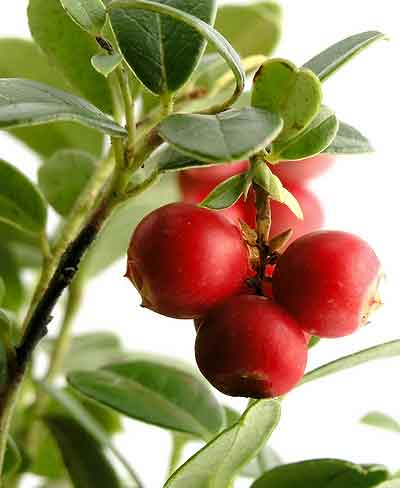 Drs. Catherine Neto and Joe Vinson from the University of Massachusetts-Dartmouth and the University of Scranton, in Pennsylvania, contributed a chapter on cranberry in the textbook, Herbal Medicine: Biomolecular and Clinical Aspects. 2nd edition, 2011.
Most of the chapter is detailed biochemistry — their specialty. But, they also review the status of cranberry in cancer therapy and managing urinary tract infections.
Let’s focus on urinary tract infections. Continue reading Everything you wanted to know about cranberry
 Researchers in North Carolina and in China reviewed the association between dietary fiber intake and risk of breast cancer. Continue reading Dietary fiber and the risk of breast cancer