An article published on Medscape discusses the impact of stress on insomnia. In addition to a brief mention of mindfulness, the author limits the discussion to benzodiazepines or ramelteon (Rozerem), which acts on melatonin receptors.
People living with heart failure have similar symptoms and levels of depression and spiritual well-being as patients with advanced lung and pancreatic cancer.
The American Thoracic Society has published recommendations for combining palliative with standard care in patients with chronic and advanced respiratory tract illnesses or critical disease.
In 1993, Dr. Charles Morin published the results of research in 24 older adults with insomnia. He found that 8 weeks of cognitive-behavior therapy (CBT) improved their insomnia.
Stress is one of the most commonly reported risk factors for cardiovascular disease among the general public and among patients who have had a heart attack.
A survey of more than 6000 US hospitals by the American Hospital Association reveals that among 1400 responders, the percentage of hospitals offering at least one CAM service increased from 8% in 1998 to 27% in 2005. Continue reading More US hospitals offering CAM→
Drs. Kalyanakrishnan Ramakrishnan and Dewey Scheid from the University of Oklahoma Health Sciences Center have published a review of treatment options for sleeplessness.
Snoezelen (or multi-sensory stimulation) is used to promote positive mood in older people with dementia, as well as manage maladaptive behaviors (eg, autism and other behaviors that interfere with everyday activities).
The Snoezelen (pronounced SNOOzelen) environment provides gentle stimulation of the primary senses. The objective is to overcome inhibitions, enhance self-esteem, and reduce tension.
In patients with epilepsy that does not respond to drug therapy, researchers from the University of Uppsala in Sweden reported, “Acceptance and Commitment Therapy (ACT) and yoga decrease seizure index and increase quality of life.” Continue reading ACT and yoga for drug-refractory epilepsy→
When psychologists began developing treatments for chronic pain several decades ago, the goal was to help patients live with their pain more successfully.
 An article published on Medscape discusses the impact of stress on insomnia. In addition to a brief mention of mindfulness, the author limits the discussion to benzodiazepines or ramelteon (Rozerem), which acts on melatonin receptors.
 Â Prof. Ernst and his associates at the Peninsula Medical School in Exeter, UK set their sites on tai chi.
 People living with heart failure have similar symptoms and levels of depression and spiritual well-being as patients with advanced lung and pancreatic cancer.
 St. John’s wort (Hypericum perforatum) and S-adenosyl-l-methionine (SAMe) top the list, according to this
 The American Thoracic Society has published recommendations for combining palliative with standard care in patients with chronic and advanced respiratory tract illnesses or critical disease.
 Thumbing through the August 2007 issue of Cat Fancy magazine, I found an article with the following caveats.
 In 1993, Dr. Charles Morin published the results of research in 24 older adults with insomnia. He
 Stress is one of the most commonly
 A
 Breakthrough pain is a worsening or flare of pain that occurs in patients whose pain is otherwise controlled.
 By the end of this
 Men receiving support before prostate surgery showed improved quality of life following surgery, according to a
 Not much evidence is available. But here’s what 2 researchers from the University of Pittsburgh in Pennsylvania discovered during their
 Researchers from the University of Alberta in Edmonton, Canada
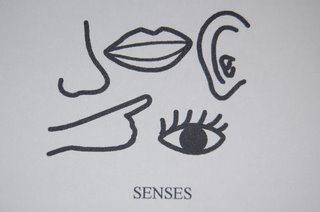 Snoezelen (or multi-sensory stimulation) is used to promote positive mood in older people with dementia, as well as manage maladaptive behaviors (eg, autism and other behaviors that interfere with everyday activities).
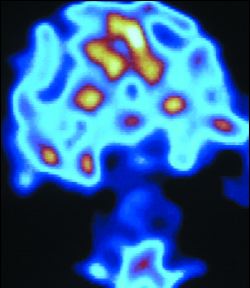 In patients with epilepsy that does not respond to drug therapy, researchers from the University of Uppsala in Sweden reported, “Acceptance and Commitment Therapy (ACT) and yoga decrease seizure index and increase quality of life.”
 “Adding Transcendental Medication is about equivalent to adding a second antihypertension agent to one’s current regimen only safer and less troublesome,”
 Despite evidence from a few studies, electromyographic biofeedback (EMG-BFB) plus standard physiotherapy does not produce improvements compared to physiotherapy alone,
 When psychologists began developing treatments for chronic pain several decades ago, the goal was to help patients live with their pain more successfully.