Dana Ullman (website here) disputes my statement in a recent post that there’s a dearth of evidence-based data in support of homeopathy. He suggested I review 3 articles on the treatment of childhood diarrhea.
Edzard Ernst is Professor of Complementary Medicine at Peninsula Medical School, Universities of Exeter & Plymouth in the UK. According to his bio, “His extensive publications portfolio is grounded in the application of scientific, evidence-based research into the effects of the many and various complementary remedies and treatments currently available over-the-counter.”
A reader of this blog contends that Prof. Ernst has a bias against homeopathy. Let’s look at the evidence in his own words.
During the most recent meeting of the American College of Chest Physicians Dr. Paul Blanc from the University of California at San Francisco reported that half of all people with asthma use CAM.
In 1993, Senator Orrin Hatch said, “most of these [herbal remedies] have been on the market for 4,000 years, and the real issue is risk. And there is not much risk in any of these products.”
Rhinosinusitis refers to symptoms (nasal obstruction/discharge and loss of smell) of a cold or allergy that involve the nasal passages and the sinuses.
This study (written in German) in 144 patients with acute rhinosinusitis showed improvement in those receiving the homeopathic remedy compared to patients who received placebo.
A study published in Rheumatology found that “individualized homeopathy is significantly better than placebo in lessening pain and improving the quality of life and global health of persons with fibromyalgia.”
The researchers report (here and here) the presence of brain wave pattern changes associated with homeopathic treatment that are not seen with placebo under double-blinded conditions. The researchers conclude, “These observations suggest … EEG … as an early biomarker of individualized homeopathic medicine effects in patients with fibromyalgia who later exhibit exceptional outcomes.”
In other words, now there’s a way to predict responders to homeopathy for a condition, where conventional medicine has no approved treatment.
Homeopathy is at odds with two powerful trends in today’s culture: sooner is better than later, and the more the better. First, homeopaths claim that patients need at least one month of active treatment for every year of illness. Second, treatments are undertaken using minute concentrations (1:50,000) of remedies.
Then, there is one more difference from conventional mainstream medicine that poses a problem for practitioners and researchers of homeopathic treatments.
 Dana Ullman (website here) disputes my statement in a recent post that there’s a dearth of evidence-based data in support of homeopathy. He suggested I review 3 articles on the treatment of childhood diarrhea.
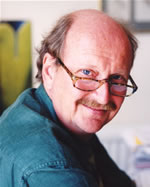 Edzard Ernst is Professor of Complementary Medicine at Peninsula Medical School, Universities of Exeter & Plymouth in the UK. According to his
 If I
 Wow, I’m actually getting comments to my posts! Does that mean the site is getting popular, or that I’m in need of correction?
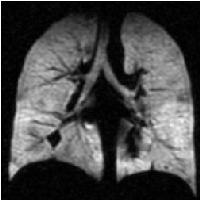 During the most recent meeting of the American College of Chest Physicians Dr. Paul Blanc from the University of California at San Francisco reported that half of all people with asthma use CAM.
 In 1993, Senator Orrin Hatch said, “most of these [herbal remedies] have been on the market for 4,000 years, and the real issue is risk. And there is not much risk in any of these products.”
 I like The Bach Flower Remedies