Temporomandibular joint (TMJ) dysfunction involves face pain, clicking sounds, and limited movement of the jaw. About 33% of the population has it; fewer need treatment.
This study suggests that cognitive behavioral therapy plus biofeedback is cost-effective treatment.
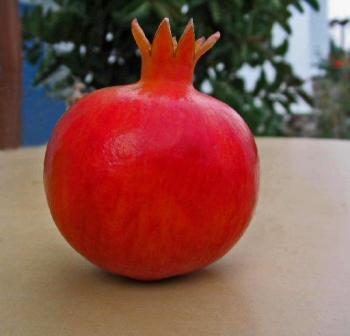
Several years ago a study in human liver tissue and in rats concluded that pomegranate juice inhibited CYP3A — a liver enzyme in the cytochrome P450 system important for metabolizing drugs. The implications were that — just as with grapefruit — people taking drugs such as statins for cholesterol might be exposed to much higher blood levels and greater risk of side effects.
We now find that when studied in healthy volunteers, pomegranate juice is not associated with this risk.
Dr. Peter Stanton, a chiropractic orthopedist from Burke, Virginia, offers these guidelines for identifying a chiropractic physician and the expected course of events during chiropractic care.
I previously posted that being without my cell phone stresses me out. So, in the spirit of cell phones as complementary medicine, I summarized the results of a Mayo Clinic study showing that cell phones did not affect hospital equipment.
The American Medical Student Association (AMSA) Foundation has completed a pilot study designed to develop a curriculum for including CAM training in MD and DO programs nationwide.
The National Center for Complementary and Alternative Medicine (NCCAM), a component of the National Institutes of Health (NIH), has selected the first 2 fellows for the NCCAM Director’s Fellowship in CAM Research. Continue reading NCCAM Fellowships→
In a previous entry it was reported that over 7 years, patients visiting chiropractors and other CAM-oriented primary care doctors had 60% fewer hospitalizations, 62% less outpatient surgery, and 85% lower pharmaceutical costs compared with total network HMO (health maintenance organization).
A long-time reader and valued critic of this site believes this post was not fair. OK. I accept the criticism and challenge him to do better, as stated in the comments below.
The preparation of treatments in homeopathy is based on extremely high dilutions (low concentrations) of substances in water — far lower than detectable. For this reason, it has been suggested that water could retain a “memory” of substances that have been dissolved in it before the successive dilutions.
Dr. Mark Moyad (photo) is Director of Preventive and Alternative Medicine at the University of Michigan Medical Center in Ann Arbor. His thoughts about the FDA’s plan to establish good manufacturing regulations for dietary supplements are published in Urology Times.
He also looks to the next big issue that will confront the supplement industry.
Researchers from Harvard School of Public Health in Boston believe, “the United States Food and Drug Administration and corresponding agencies in other countries should require heavy metal testing for all imported dietary supplements.”
There’s increasing awareness that the homeopathic consultation is itself a therapeutic intervention that contributes to the outcome of homeopathic treatments.
The Seattle Timesreports that Group Health Cooperative and Bastyr University will initiate a program this summer where senior students in naturopathy will “shadow” Group Health doctors and nurses during patient visits.
Please accept these recommendations based on my experience as a clinical pharmacist, educator, and student who made rounds during the early days of clinical pharmacy education. Continue reading Integrating CAM in Seattle→
The following overview of naturopathic medicine in the U.S. is summarized from the Bastyr University website and based on an article on The American Association of Naturopathic Physicians website.
The word “naturopathy” was first used in the U.S. a little over 100 years ago.
The costs and clinical utilization data between CAM and conventional medical clinics were compared for an integrative medicine independent physician association (IPA) whose primary care physicians (PCPs) were exclusively doctors of chiropractic. Continue reading Reported cost-savings with CAM-oriented primary care→
 Dashmoola is a popular herbal formulation in ayurvedic medicine. It’s used to reduce fever and modify the immune response.
 Temporomandibular joint (TMJ) dysfunction involves face pain, clicking sounds, and limited movement of the jaw. About 33% of the population has it; fewer need treatment.
 It’s documented
 Several years ago a
 This is useful.
 I previously
 The American Medical Student Association (AMSA) Foundation has completed a pilot
 Using a scale of 1 to 4 stars, the proposed regulation will help consumers identify the level of UVA protection offered by a product.
 The National Center for Complementary and Alternative Medicine (NCCAM), a component of the National Institutes of Health (NIH), has
 In a previous
 This is for residents of San Diego County in California.
 A long-time reader and valued critic of this site believes this post was not fair. OK. I accept the criticism and challenge him to do better, as stated in the comments below.
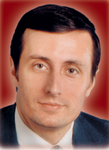 Dr. Mark Moyad (photo) is Director of Preventive and Alternative Medicine at the University of Michigan Medical Center in Ann Arbor. His thoughts about the FDA’s plan to establish good manufacturing
 The Seattle Times