In 2000, Dr. Stephen Kaye from the University of California in San Francisco reported on Computer and Internet Use Among People With Disabilities. The survey included about 50,000 people nationwide.
Now, the Pew Internet & American Life Project has released a report titled E-patients with a Disability or Chronic Disease. The results come from 268 surveys of users of the Internet with chronic conditions were compared to 1711 healthy people.
Dr. Janine Blackman is a family physician and co-founder of The Gilbert Clinic, a private integrative health care practice in the Washington, DC area.
In a Medscape article she writes, “For experienced family physicians who are not able to commit the time to an academic program, learning about CAM can be challenging.”
Few treatments for back pain are supported by strong scientific evidence. Conventional treatments have limited success and often result in dissatisfied patients who turn to CAM.
A review from the Cochrane Collaboration concluded, “massage might be beneficial for patients with subacute and chronic non-specific low-back pain, especially when combined with exercises and education.”
Since 1990 the U.S. Food and Drug Administration (FDA) has issued warnings about botanical products and dietary supplements containing aristolochic acid.
Now, The Lancetreports a 30 year-old Chinese man who was diagnosed with a bladder tumor after taking the Chinese herb Longdan Xieganwan for at least 5 years. (Use this link if you are not a subscriber to The Lancet.)
Several years ago I was asked to lecture on evaluating the reliability and usefulness of medical information on the Web. During this meeting of the American Medical Writers Association (AMWA) in New York City, I listed three guidelines plus an additional one for CAM.
Dr. Iris Penner from the University of Basel in Switzerland has reported the results of a computer-based cognitive training program called BrainStim that appears to increase working memory in healthy elderly people.
During the past 6 months there has been a significant increase in the readership of this site and in the number of people who signed up for weekly emails. Thanks.
Earlier this year, a study published by researchers at Texas A&M Health Science Center concluded, “Consistent with other studies of the liberalization of cannabis laws, medical cannabis laws do not appear to increase use of the drug.”
Medical News Todayreports that the Department of Health Steering Group recommends to regulate acupuncture, herbal medicine and traditional Chinese medicine.
 A series of focus group discussions across Canada help define today’s consumers of herbals, vitamins, and homeopathic medicines.
 It’s the first state to outlaw a vegetable oil.
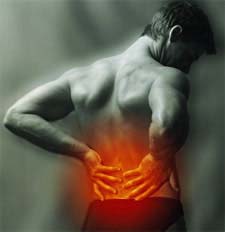 Few treatments for back pain are supported by strong scientific evidence. Conventional treatments have limited success and often result in dissatisfied patients who turn to CAM.
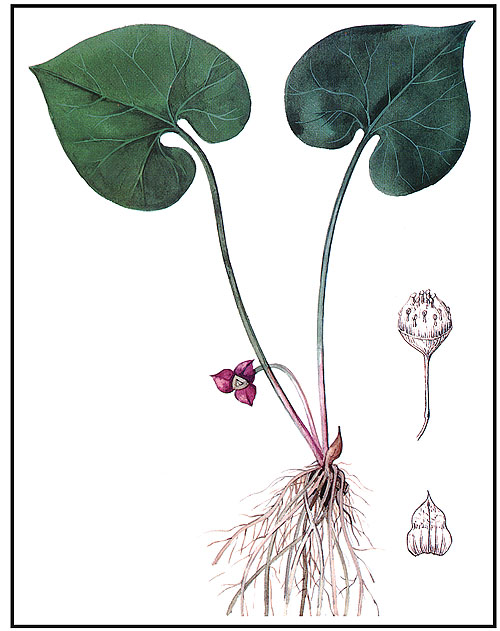 Since 1990 the U.S. Food and Drug Administration (FDA) has issued
 Researchers from the University of Sydney in Australia have
 Dr. Iris Penner from the University of Basel in Switzerland has reported the results of a computer-based cognitive training program called BrainStim that appears to increase working memory in healthy elderly people.
 Earlier this year, a
 Although walking has health benefits, 80% of American adults report walking only 10 minutes at a time at least 1 day per week.
 23 American and 2 foreign companies that market phony cancer cures on the Internet have been
 Medical News Today
 Lead, mercury, and (oh yeah) arsenic intoxication have been associated with Ayurvedic herbal medicines.
 The National Center for Complementary and Alternative Medicine (NCCAM) has launched an educational