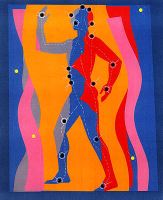
 Professor Ernst presents an overview of Cochrane reviews on acupuncture. Continue reading Acupuncture: What’s the evidence
Category Archives: Cochrane Library
A critical review of traditional Chinese and Indian medicine
 I was shocked by a recent Cochrane Review that concluded, “There was no evidence that the Chinese medicinal herbal treatment caused harm” in women with breast cancer.
Anyone who has followed the pet food recalls or reviewed the safety literature on traditional Chinese medicine (TCM) and traditional Indian medicine (TIM) would come to a different conclusion. Continue reading A critical review of traditional Chinese and Indian medicine
Acupuncture to treat insomnia
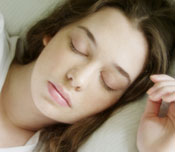 It was more effective than the benzodiazepine drug estazolam (ProSom, Eurodin) in this study by researchers at Guangzhou University of Chinese Medicine in China.
But that’s not the entire story. Continue reading Acupuncture to treat insomnia
Acupuncture for dysphasia after stroke
Difficulty swallowing (dysphasia) after stroke occurs in up to 60% of patients, and is associated with other complications and death, particularly if it’s prolonged.
Acupuncture is used to treat this complication in China. Cochrane reviews the scientific support. Continue reading Acupuncture for dysphasia after stroke
Pelargonium for treating acute respiratory infections
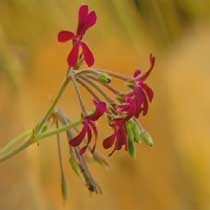 Pelargonium sidoides (aka EPs 7630 and Umckaloabo) is an herbal extract derived from the gerenium. It’s used to treat acute respiratory tract infections (ARIs) where antibiotics are unnecessary.
The Cochrane Library has reviewed the evidence, as has Prof. Ernst. Continue reading Pelargonium for treating acute respiratory infections
Massage to prevent postpartum bleeding
 This Cochrane review concludes, “Uterine massage after delivery of the placenta is advised to prevent postpartum hemorrhage.” Continue reading Massage to prevent postpartum bleeding
Evidence for massage to treat low-back pain
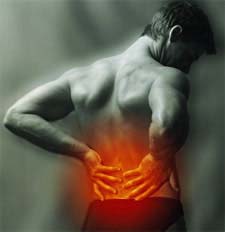 Few treatments for back pain are supported by strong scientific evidence. Conventional treatments have limited success and often result in dissatisfied patients who turn to CAM.
A review from the Cochrane Collaboration concluded, “massage might be beneficial for patients with subacute and chronic non-specific low-back pain, especially when combined with exercises and education.”
Continue reading Evidence for massage to treat low-back pain
Balance training after stroke
 Standing balance deficits are common after stroke. One way to address these deficits is to provide feedback from a force platform while balance activities are performed. Continue reading Balance training after stroke
Cranberry for urinary tract infections
 Medscape takes a negative view for prevention and treatment of infection. Continue reading Cranberry for urinary tract infections
Test your knowledge of the glycemic index
 Eating foods with a low glycemic index is the way to go if you want to lose weight. That’s the conclusion in the latest Cochrane Review, as reported by Ivanhoe.
What’s your glycemic index IQ? Continue reading Test your knowledge of the glycemic index
Debating acupuncture’s benefits in stroke recovery
Acupuncture is not better than placebo, according to researchers at Aldermoor Health Centre in Southampton, UK. Continue reading Debating acupuncture’s benefits in stroke recovery
Tongxinluo: Chinese medicine for unstable angina
 Here’s a summary of the Cochrane review of tongxinluo. Continue reading Tongxinluo: Chinese medicine for unstable angina
Feeling depressed? Start taking a vitamin
 Studies dating back more than 15 years suggest that people with depression are likely to have low blood levels of folic acid (or folate) and vitamin B12.
Of course, not all of the researchers have come to the same conclusion. But to start, here’s a summary of the most positive analysis of folic acid and B12.
Testing the Papworth breathing technique in asthma sufferers
 Papworth method is a sequence of breathing and relaxation exercises developed at Papworth Hospital in Cambridgeshire in the 1960s.
It hadn’t been studied ’til now. Continue reading Testing the Papworth breathing technique in asthma sufferers
The value of physiotherapy following stroke
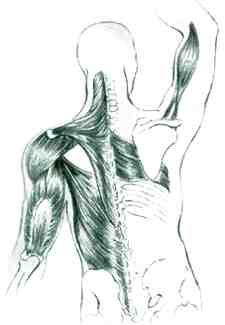 Physiotherapy (or physical therapy) is defined as the treatment of disease by physical exercise, massage, or other manipulative body-based methods — not drugs. Wikipedia has a good overview.
Cochrane has judged the evidence. Continue reading The value of physiotherapy following stroke
Cranberries to prevent urinary tract infections
There’s some evidence that cranberry juice may decrease the number of symptomatic urinary tract infections (UTIs), particularly in women with recurrent UTIs, according to this Cochrane review.
But what about other groups? Continue reading Cranberries to prevent urinary tract infections
Compiling the evidence for kava to treat anxiety
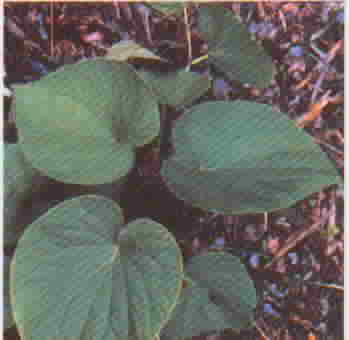 A review published in American Family Physician covers a broad range of herbal and dietary supplements for treating anxiety disorders.
I’ll focus on the best of the lot, kava (Piper methysticum). You can read the rest of the article here. Continue reading Compiling the evidence for kava to treat anxiety
Echinacea and the all too common cold
 Taking echinacea after the onset of a cold shortens its duration or decreases the severity of symptoms, according to the results of most clinical trials. The best results are achieved using products containing alcoholic extracts and pressed juice preparations of the aerial (above ground) parts of the plant.
No evidence suggests echinacea can prevent the onset of the common cold or that it’s effective in children.
Managing pelvic and back pain during pregnancy
There are lots of recommendations to prevent or treat this cause of back pain.
Here’s what the Cochrane Collaboration found.
Continue reading Managing pelvic and back pain during pregnancy
Assessing the value of biofeedback following stroke
 Despite evidence from a few studies, electromyographic biofeedback (EMG-BFB) plus standard physiotherapy does not produce improvements compared to physiotherapy alone, according to this Cochrane Review. Continue reading Assessing the value of biofeedback following stroke