 Data suggest that soy foods are as good as other protein sources for promoting weight loss, according to researchers at the University of Alabama in Birmingham.
But is there more? Continue reading Soy foods and weight loss
Data suggest that soy foods are as good as other protein sources for promoting weight loss, according to researchers at the University of Alabama in Birmingham.
But is there more? Continue reading Soy foods and weight loss
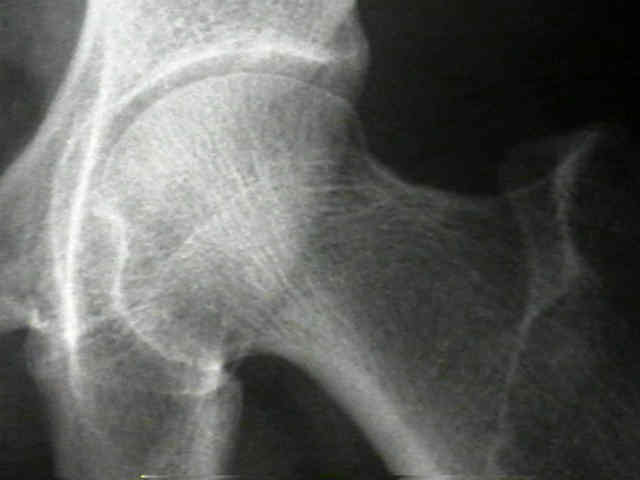 Treatment with genistein — a naturally occurring estrogen in soybeans — has the potential to regulate bone metabolism without harmful estrogenic activity in the breast and uterus,” says Dr. Herbert Marini from the University of Messina in Italy.
In this study, genistein had positive effects on bone health in postmenopausal women who had evidence of bone wasting.
Unfortunately, they didn’t measure fracture rate. Continue reading Almost the definitive study on bone health in postmenopausal women
 The Canadian Chiropractic Association (CCA) and its provincial associations are launching “Best Foot Forward” — a public education program aimed at preventing falls in seniors. Continue reading Preventing falls in Canada
And the difference in risk between taking calcium-only vs calcium with vitamin D is small and not statistically significant, according to researchers in Australia. Continue reading Calcium lowers fracture risk … if you actually take it
 Older adults with type 2 diabetes are more likely to fall, but little is known about the factors that predict an increased risk of falls in this population.
The results from the Health, Aging, and Body Composition Study complement the recent CDC publication on preventing falls in the elderly. Continue reading Reducing the risk of falls in people with diabetes
 That’s the title of a new CDC book, which presents “specific interventions that have rigorous scientific evidence of effectiveness” in lowering the risk of falls among the elderly. Continue reading Preventing Falls: What Works
 A recent review of the medical literature concluded that calcium supplementation is unlikely to reduce the risk of fracture, either in childhood or later life.
Now, researchers from the University of Sheffield in the UK take another look at the effects of calcium supplementation on bone growth in adolescent girls. Continue reading Lack of benefit from calcium supplements in young girls
A review of 19 studies involving more than 2800 healthy children concluded that calcium supplementation is unlikely to reduce the risk of fracture, either in childhood or later life.
What should we make of this finding when we all know how important calcium is to making strong bones?
Continue reading Calcium supplements of little benefit to children
 “Older women who consume chocolate daily had lower bone density and strength,” according to researchers in Australia. Continue reading Eating chocolate leads to weaker bones
Researchers from the University of Yamanashi in Japan reviewed studies of soy isoflavones (ie, phytoestrogens [plant estrogens] found chiefly in soybeans) and report “It decreases bone loss in the spine.”
But… Continue reading Reviewing the benefits of soy isoflavone on bone in menopausal women
This review by the Cochrane Collaboration of 19 clinical trials in almost 3000 children treated with calcium or placebo reveals that bone mineral density (BMD) increases the same amount in the hip and spine whether children take calcium supplements or placebo. Continue reading Bad news for calcium supplements
Adequate calcium intake (along with adequate vitamin D status) reduces bone loss in peri- and postmenopausal women and reduces fractures in postmenopausal women older than age 60 with low calcium intake.
It’s a key component of any bone-protective treatment.
And the recommendations are?
Continue reading Latest recommendations for calcium during peri- and postmenopause
Researchers from the Medical University of Vienna reviewed and reanalyzed the results from 25 studies of the treatment of the climacteric syndrome (menopause).
Their findings are not always clear-cut. Continue reading The value of phytoestrogens during menopause