 Â Researchers from Ireland try to sort out the relationships. Continue reading Alcohol, reflux esophagitis, and Barrett’s esophagus
Category Archives: J. CONDITIONS TO TREAT
Review: Drinking tea and the risk of stroke
 Â Drinking at least 3 cups of black or green tea was associated with a 21% lower risk of stroke compared to consuming less than a cup a day, report researchers at the University of California, Los Angeles.
The results were presented during the American Stroke Association International Stroke Conference. Continue reading Review: Drinking tea and the risk of stroke
Another look at cinnamon and diabetes
 It’s value is controversial. But researchers from Malmo University Hospital in Sweden take another look at the effects of cinnamon in diabetics. Continue reading Another look at cinnamon and diabetes
Preventing mild cognitive impairment
Mild cognitive impairment is forgetfulness that is worse than normal for one’s age but isn’t associated with dementia. Studies suggest however, that these people progress to Alzheimer’s disease at about 10% to 15% per year.
Researchers from the Mayo Clinic will report on factors that decrease this risk at the upcoming meeting of the American Academy of Neurology in April.
First, the details.
- 197 randomly selected elderly people attending the Mayo Clinic who were ultimately diagnosed with mild cognitive impairment were compared to 1124 randomly selected, cognitively intact people who served as controls.
- Everyone completed a survey on cognitive activities in late life (within the past year) and in midlife (between ages 50 and 65 years).
And, the results.
- Certain late-life activities were significantly associated with a 30% to 50% decreased risk for mild cognitive impairment.
- Reading books
- Playing games (including computer games)
- Craft activities (quilting or pottery)
- Watching less television (50% less risk for less than 7 hours vs more than 7 hours per day)
- Social activity, including going out with friends, was not significantly associated with a decreased mild cognitive impairment risk.
- Midlife activities significantly associated with a 42% decreased risk for mild cognitive impairment.
- Social activities
- Reading magazines
The bottom line?
“Our study confirms that engaging in intellectually stimulating activities is associated with a decreased risk of mild cognitive impairment,” said Dr. Yonas Endale Geda during a Medscape interview.
The reasons for these findings are unclear. Cognitive activity might have a direct effect on the brain to stimulate neuroprotective chemicals. Or, it might just be part of healthy lifestyle choices.
3/7/09 14:40 JR
Update: Probiotics in inflammatory bowel disease
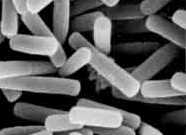 Researchers from the University of Otago Medical School in Dunedin, New Zealand summarize the state-of-the-art. Continue reading Update: Probiotics in inflammatory bowel disease
Pediatric oncologists’ views of CAM
 Young patients with cancer commonly use CAM, yet only about half of them discuss CAM with their oncologist, according to researchers at Albert Einstein College of Medicine in the Bronx, New York.
What’s a pediatric oncologist to do? Continue reading Pediatric oncologists’ views of CAM
Reviewing the effect of omega-3 on dementia
 In seniors there’s a difference between the role of omega-3 fatty acids to slow cognitive decline vs preventing or treating dementia, according to researchers at Johns Hopkins School of Medicine in Baltimore, Maryland. Continue reading Reviewing the effect of omega-3 on dementia
Effect of omega-3 in patients with cardiomyopathy
 Â Researchers at the University of Brescia in Italy studied the effects of omega-3 fatty acids in patients with idiopathic dilated cardiomyopathy and frequent or repetitive ventricular arrhythmias. Continue reading Effect of omega-3 in patients with cardiomyopathy
Multiple sclerosis week, 2009
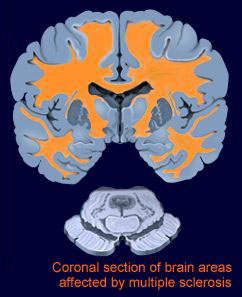 National MS Awareness Week runs from March 2nd to 8th.
Lets review the past year of CAM research in MS. Continue reading Multiple sclerosis week, 2009
Turmeric and the risk of kidney stones
 In May 2008, researchers from the University of Wyoming in Laramie studied urinary oxalate excretion from supplemental doses of cinnamon and turmeric.
When oxalic acid in plants combines with calcium, iron, sodium, magnesium, or potassium it forms insoluble crystals called oxalates, which are deposited in the kidneys and lead to the formation of “stones.” Continue reading Turmeric and the risk of kidney stones
Review: Selenium, Vitamin E, and prostate cancer
 Â Dr. Eric Klein (photo) from the Cleveland Clinic Lerner College of Medicine, in Ohio has published a review.
Here’s a historical perspective. Continue reading Review: Selenium, Vitamin E, and prostate cancer
Should mothers with MS breast-feed?
 During the annual meeting of the American Academy of Neurology this April, researchers from Stanford University, in California will report, “Women who have multiple sclerosis (MS) may reduce their risk for relapse after pregnancy if they breast-feed.”
The findings will stir debate. Continue reading Should mothers with MS breast-feed?
Ginger for nausea and vomiting during pregnancy
 Â Researchers at Shahid Beheshti Medical Science University in Tehran, Iran report it was effective. Continue reading Ginger for nausea and vomiting during pregnancy
Intake of omega-3 in nursing home residents
 Researchers from the University of Waterloo in Canada tell us that increased intake of omega-3 fatty acids “is associated with the decreased risk and incidence of several morbidities afflicting the elderly, including cognitive decline, dementia, rheumatoid arthritis, and macular degeneration.”
With that information, one would think maintaining omega-3 intake would be a priority. But is it? Continue reading Intake of omega-3 in nursing home residents
Quality of chiropractic research of upper extremity conditions
 Most publications are anecdotal case histories.
Readers weigh in, and I respond. Continue reading Quality of chiropractic research of upper extremity conditions
The effect of ginkgo biloba on ocular blood flow
 A recent study casts doubt on the ability of ginkgo biloba to affect blood flow in the eye. This might be important for people with cataracts and glaucoma, but the findings are at odds with the prevailing point of view.
Here’s some perspective. Continue reading The effect of ginkgo biloba on ocular blood flow
Vitamin D and respiratory infection risk
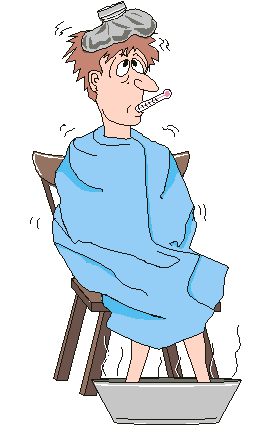 Circumstantial evidence implicates the wintertime deficiency of vitamin D from too little sunlight, with an increase in colds and flu.
Researchers from Denver, Colorado and Boston, Massachusetts looked for an association. Continue reading Vitamin D and respiratory infection risk
Meditation lowers stress and supports forgiveness
 In college students, meditation-based stress-management practices reduce stress and enhance forgiveness, according to this study by researchers at the University of California at Berkeley. Continue reading Meditation lowers stress and supports forgiveness
Added benefits of fish oil combined with exercise
 Researchers from the University of South Australia in Adelaide define the added benefits of a diet rich in omega-3 fatty acids to regular aerobic exercise. Continue reading Added benefits of fish oil combined with exercise
Vitamin D does not protect from prostate cancer
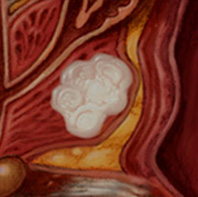 File this under the category, “how little we really know.”
Results from a study by researchers at the National Cancer Institute in Bethesda, Maryland do “not support the hypothesis that vitamin D is associated with decreased risk of prostate cancer; indeed, higher circulating 25(OH)D [vitamin D] concentrations may be associated with increased risk of aggressive disease.” Continue reading Vitamin D does not protect from prostate cancer