Among the more common complementary therapies used in young children with recurrent otitis media are Echinacea purpurea and cranial osteopathic manipulative treatment (OMT).
In January, the FDA recommended that over-the-counter (OTC) cough and cold products should not be used to treat infants and children less than 2 years of age because of serious and potentially life-threatening side effects.
Pelargonium sidoides (aka EPs 7630 and Umckaloabo) is an herbal extract derived from the gerenium. It’s used to treat acute respiratory tract infections (ARIs) where antibiotics are unnecessary.
Taking echinacea after the onset of a cold shortens its duration or decreases the severity of symptoms, according to the results of most clinical trials. The best results are achieved using products containing alcoholic extracts and pressed juice preparations of the aerial (above ground) parts of the plant.
No evidence suggests echinacea can prevent the onset of the common cold or that it’s effective in children.
Researchers from the University of Florida at Gainesville report it’s a safe and effective dietary supplement to reduce your risk of cold and flu symptoms.
This review was presented previously at the American College of Clinical Pharmacology meeting and is reported here. It’s now been published in The Lancet Infectious Diseases.
Here is an update to the Cochrane Review of echinacea summarized here in July.
Their consensus was that taking echinacea after the onset might shorten the cold, but does not prevent the onset of the common cold. Even at this, the experts were skeptical.
Now another analysis of clinical trials has come to a different conclusion.
It’s especially important considering that these product routinely have poor quality control and mislabeling problems, as noted here, here, here, and here.
Yoga Journal has a misleading article in its latest edition that states, “if you’re looking to sharpen your immune system this winter, also consider one of the following.”
There are no studies in human beings that report lower infection rates by using any of these 3 herbals.
Soon to be on shelves of pharmacies and health food stores in the U.S. is a probiotic-multivitamin that contains three different probiotic strains, as well as vitamins and minerals. The probiotics are Lactobacillus gasseri PA 16/8, Bifidobacterium bifidum MF 20/5, Bifidobacterium longum SP 07/3.
The tablet has a protective coating for better tolerability, and the press release claims that “Multibionta Probiotic Multivitamin reduced the duration and severity of common cold symptoms by up to two days compared to taking a multivitamin alone.”
I couldn’t find that study on PubMed, but here are some considerations for the daily use of a probiotic.
It’s easy to be critical of ayurveda ? a “natural healing system” developed in India. The immediate problems, from a Western perspective, include lack of standardization and reported toxicity (particularly lead poisoning).
But there’s more. “The problem lies in the crisis of confidence both within and outside the ayurvedic community, and it is here that the future efforts need to be concentrated in order to effect a revitalization.”
 Â Among the more common complementary therapies used in young children with recurrent otitis media are Echinacea purpurea and cranial osteopathic manipulative treatment (OMT).
 In January, the FDA
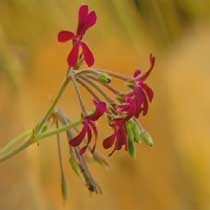 Pelargonium sidoides (aka EPs 7630 and Umckaloabo) is an herbal extract derived from the gerenium. It’s used to treat acute respiratory tract infections (ARIs) where antibiotics are unnecessary.
 Taking echinacea after the onset of a cold shortens its duration or decreases the severity of symptoms, according to the results of most clinical trials. The best results are achieved using products containing alcoholic extracts and pressed juice preparations of the aerial (above ground) parts of the plant.
 Airborne, the “natural” product that claims to prevent the onset of the common cold has agreed to pay $23.3 million to settle a
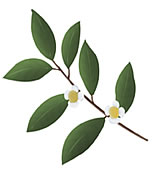 Researchers from the University of Florida at Gainesville
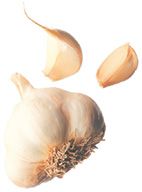 Garlic (Allium sativum) is one of the most commonly used
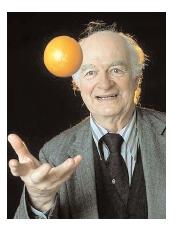 Let’s see what the Cochrane Collaboration reveals.
 It’s especially important considering that these product routinely have poor quality control and mislabeling problems, as noted
 Yoga Journal has a misleading
 MayoClinic.com has
 Soon to be on shelves of pharmacies and health food stores in the U.S. is a probiotic-multivitamin that contains three different probiotic strains, as well as vitamins and minerals. The probiotics are Lactobacillus gasseri PA 16/8, Bifidobacterium bifidum MF 20/5, Bifidobacterium longum SP 07/3.
 It’s easy to be critical of ayurveda ? a “natural healing system”