Northern California shoppers were divided into two groups: “regular organic shoppers” who buy organic produce on a typical grocery-shopping trip; and “nonregulars” who don’t. They were asked how much more they would pay for four different produce items.
The American Academy of Dermatology and the American Medical Association have called for a ban on the sale and use of tanning equipment for nonmedical purposes. And the FDA and Centers for Disease Control encourage people to avoid the use of tanning beds and sun lamps.
The tanning industry say that dermatologists have a “political agenda,” and that indoor tanning is actually good for you.
The Handbook of Clinically Tested Herbal Remedies is an excellent reference source on herbal medicines. Writing in the International Society for Complementary Medicine Research Newsletter (go here and click the volume 2 number 4 issue), the reviewer states that editor Marilyn Barrett and her contributors, “take a rigorous look at both the nature of the herbal evidence base, and how it [the evidence base] is and should be generated.”
“More than half of women who treat their symptoms of menopause take soy supplements or herbal products as part or all of their therapy.” states The New York Times, which reported on a recently published article in the journal Menopause.
However, the women in this online survey generally felt illinformed about proper doses and use of herbal products.
Legislation has been submitted in Ontario, Canada to regulate acupuncture and traditional Chinese medicine. This is the culmination of an ongoing process that started in Canada in 1994. The proposed legislation would create a self-governing regulatory college, and restrict the practice of acupuncture to members of the profession who would be able to use title, doctor.
In North America, it’s the latest event in the growth of acupuncture, which was virtually unknown here until 1972 when China opened its doors to the West.
A surgical procedure called a colonectomy removes part or all of the large intestine. A common side effect of this surgery is known as postoperative ileus (POI) in which bowel movement is impaired following surgery and can take 48 to 72 hours to recover.
Common symptoms experienced by patients with POI include bloating, pain, nausea and vomiting, an inability to pass stools, and an inability to eat solid food. There is also a greater risk for other complications that can prolong the time they must stay in the hospital. This, of course, results in higher health care costs.
A recently published study of 66 patients was designed to determine the usefulness of gum chewing to shortening the time to recovery from POI.
In February, the Danish Ministry for Family and Consumer Affairs withdrew food supplements containing saw palmetto because of concerns about its effect on the hormone system coupled with a lack of data about its safety in long-term use.
Dr. Kirsten Pilegaard, PhD, senior advisor for the Danish Institute for Food and Veterinary Research stated, “On the basis of the information available, it is not possible to establish a dose that does not give rise to concern.”
Now that new UVA blockers are being marketed, it’s not surprising to see more research in this area. The UVA sunscreen issue has been discussed here and here.
Here is an update to an earlier post that chronicled a problem with genetically engineered cotton in China where it was necessary to use pesticides to control new pests.
Skeptico reviews the problem, the possible reasons for it, and the fix being use in the U.S.
Here’s a series of quotes from the October (Volume 12, 2006) editorial in Alternative Therapies in Health and Medicine that I think contrasts the points of view between alternative and mainstream medicine today. Is the alternative perspective too esoteric to be of practical value? Or is the mainstream approach (for chronic diabetes for example) destined to come up short? Or is the answer somewhere in the middle?
The movement to ban trans fats in restaurants and fast food outlets picked up more support earlier this week. The New York City Board of Health voted to move forward with plans to prohibit the city’s 20,000 restaurants from serving food that contains more than a minute amount of trans fats.
The next steps are a public hearing on October 30th and a final vote in December. The board is authorized to adopt the plan without the consent of any other agency. So, it’s likely that life in NYC will be come a bit healthier by 2007.
You can track back to other related posts starting here.
In 2002, the FDA advised consumers of the potential risk of severe liver injury associated with the use of kava-containing (Piper methysticum) dietary supplements.
In 2003, the U.K.’s medicines regulatory body banned kava when it was linked to a number of deaths and liver damage around the world.
Dr. James Beaulieu, a clinical pharmacist specialist at Rhode Island Hospital in Providence, has published an excellent review of this topic.
If you are receiving immunosuppressive treatments and taking or considering taking any herbal medicine, consult this article first.
Immunosuppressive therapy is used for the following reasons.
Prevent rejection of transplanted organs and tissues (eg, bone marrow, heart, kidney, liver)
Treat autoimmune diseases or diseases that are most likely of autoimmune origin (eg, rheumatoid arthritis, myasthenia gravis, systemic lupus erythematosus, Crohn’s disease, and ulcerative colitis)
A list and overview of immunosuppressive drugs are available here.
A recent post here summarized the risks associated with lead blood levels. It’s more toxic than was previously believed. And if you take Ayurvedic medicine, it’s important to be aware of the risks you are exposed to.
In addition to Ayurvedic medicines, certain traditional or folk medications used in East Indian, Middle Eastern, West Asian, and Hispanic cultures contain lead. The “logic” supporting the addition of lead to medicine was summarized in an earlier post.
Now it’s reported that lead is more toxic than we thought. People with lead blood levels well below those previously considered safe (less than 10 mcg/dL) are at increased risk for heart attack and stroke.
Two companies in Germany, BASF and Organo Balance, are collaborating to develop products based on probiotics that, if successful, could be marketed to improve dental hygiene.
The Sixth U.K. House of Lords Science and Technology Report was published in 2000. It covers basic information on CAM. However, the section that interested me was on professional training and education.
Ultimately, the goal for CAM should be its integration into mainstream, allopathic medicine, according to the Report.
OK. But shouldn’t contemporary medicine be integrated into current CAM disciplines, as well? Patients benefit most when all healthcare providers understand the potential and limits of all available treatments.
 Northern California shoppers were divided into two groups: “regular organic shoppers” who buy organic produce on a typical grocery-shopping trip; and “nonregulars” who don’t. They were asked how much more they would pay for four different produce items.
 According to WABC radio, New York City just passed the ban on using trans fats for cooking in NYC eateries.
 The American Academy of Dermatology and the American Medical Association have called for a ban on the sale and use of tanning equipment for nonmedical purposes. And the FDA and Centers for Disease Control encourage people to avoid the use of tanning beds and sun lamps.
 The Handbook of Clinically Tested Herbal Remedies is an excellent reference source on herbal medicines. Writing in the International Society for Complementary Medicine Research Newsletter (go
 “More than half of women who treat their symptoms of menopause take soy supplements or herbal products as part or all of their therapy.” states The New York Times, which
 Legislation has been
 A surgical procedure called a colonectomy removes part or all of the large intestine. A common side effect of this surgery is known as postoperative ileus (POI) in which bowel movement is impaired following surgery and can take 48 to 72 hours to recover.
 In February, the Danish Ministry for Family and Consumer Affairs
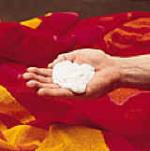 Now that new UVA blockers are being marketed, it’s not surprising to see more research in this area. The UVA sunscreen issue has been discussed
 Here is an update to an earlier
 Dr. James Beaulieu, a clinical pharmacist specialist at Rhode Island Hospital in Providence, has published an excellent
 A recent post
 Two companies in Germany, BASF and Organo Balance, are collaborating to develop products based on probiotics that, if successful, could be marketed to improve dental hygiene.