 This is depressing. The number one problem facing herbal medicines today is the inability (or something) on the part of manufacturers to ensure quality control in the manufacturing of their products.
Here’s the latest on St. John’s wort.
This is depressing. The number one problem facing herbal medicines today is the inability (or something) on the part of manufacturers to ensure quality control in the manufacturing of their products.
Here’s the latest on St. John’s wort.
 Seven out of 22 products tested had fewer viable organisms than claimed or generally known to be effective. And product was even contaminated with mold!
Continue reading Caution: Probiotic products often contain insufficient probiotics
 The Harvard Medical School Family Health Guide warns, “The daily multivitamin pill is no substitute for a good diet. But none of us is perfect when it comes to healthful eating … The multivitamin is partial protection from our lapses.”
Their value is debated, but here’s the bottom line.
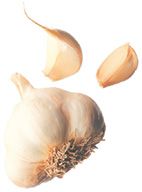 ConsumerLab.com reports that among 16 garlic-containing products assayed, 8 failed the test.
Continue reading Inconsistent garlic content in garlic products
The good news is that all 36 products tested had the claimed ingredients. But the doses varied from 15 mg to 400 mg!
This isn’t surprising and has been discussed here before. Perspective on the value of CoQ10 to treat high blood pressure, angina, and Alzheimer’s disease is provided in this earlier post.
10/16/06 22:35 JR
A review article published in 2001 identified 8 clinical studies in which St. John’s wort was more effective than placebo in treating mild to moderate depression. “The absolute increased response rate with the use of St. John’s wort ranged from 23% to 55% higher than with placebo, but ranged from 6% to 18% lower compared with tricyclic antidepressants.”
 Garlic supplements are one of the most popular herbal products in the U.S. Garlic has been described as a wonder food. It reportedly lowers cholesterol, prevents dangerous blood clots, reduces blood pressure, prevents cancer, and protects against bacterial and fungal infections.
Holy nutraceutical, Batman!
Yet, when ConsumerLab tested 16 brands of garlic supplements, they found that one product lacked any of a key garlic compound. Another had less than 1% of the expected amount of this compound. In all, 8 of the 16 products failed testing.
Continue reading Are you trusting your health to garlic supplements?
For as long as I’ve followed the ConsumerLab.com website, I don’t remember them ever testing a supplement and reporting that the contents of all brands tested contained what was on the label.
Now, they report that among 12 zinc lozenges and supplements tested, all contained the amounts listed on the label. But some of the lozenges did not provide a dosage known to be effective for treating colds.
 “The main voices in favor of DHEA as a miracle drug are those who are selling it or who make a good living selling books or programs advocating ‘natural cures’.” That’s the conclusion from the Skeptics Dictionary. But look for yourself, and you will agree.
Here is another reason to be skeptical of DHEA [dehydroepiandrosterone].
Three of 16 products failed the content analysis test. One product did not release its ingredients and two others had less than half the expected ingredients.
That’s less than a 20% failure rate, which is better than often reported by this lab.
An article in Functional Foods & Nutraceuticals reports that the following supplements were tested: sterols, policosanol, guggulsterones, fish oil, garlic, niacin, soy protein, red yeast rice, and stanols. I highlighted the supplements discussed at this blog.
Continue reading ConsumerLab.com tests cholesterol-lowering supplements