 In a previous entry I discussed the incorporation of chiropractic within the orthopedics department of a Norwegian hospital. Dr. David Klein wrote to mention a similar practice model in Italy.
Here is what I learned about Static SpA.
 You might have read about the study where acetaminophen (Tylenol, paracetamol), nonsteroidal anti-inflammatory drugs (eg, ibuprofen; Advil and Motrin), and aspirin were associated with development of high blood pressure.
What should you do if you take these drugs regularly and have high blood pressure?
Continue reading Pain medicine and the risk of high blood pressure: Other options
 Wow, I’m actually getting comments to my posts! Does that mean the site is getting popular, or that I’m in need of correction?
You be the judge.
 Medical students have a long-standing interest in learning more about CAM.
Here’s what they think at Georgetown University School of Medicine in Washington, DC.
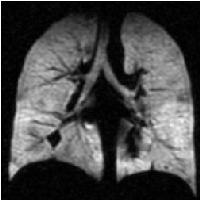 During the most recent meeting of the American College of Chest Physicians Dr. Paul Blanc from the University of California at San Francisco reported that half of all people with asthma use CAM.
Here are the highlights from Medscape.
 A survey of university hospitals in Germany uncovered the typical findings in people who experience vertebral artery dissection (VAD) following chiropractic neck manipulation.
Continue reading The signs and symptoms of stroke following neck manipulation
 This review concludes that spinal manipulation and acupuncture are not cost-effective for low-back pain.
Here are the “money” quotes from this UK study.
Continue reading Cost-effectiveness of spinal manipulation and acupuncture for low-back pain
 Spinal manipulation (SM) is a traditional treatment practiced by chiropractors, osteopaths, physiotherapists, and other healthcare providers mostly (but not exclusively) to treat musculoskeletal problems. SM can be described as the use of hands or force applied to the patient to achieve a therapeutic outcome.
The literature supports SM for treating back pain, but not much else.
 “Many chiropractors and other manipulative therapists purport to treat autism and related disorders with good improvements,” according to a review in Clinical Chiropractic.
Aside from case reports, support for the role of chiropractic is limited to one study in 26 autistic children who were followed for 9 months.
Here are the results.
Continue reading Chiropractic and autism: What’s the evidence?
 In 1995, the American Medical Student Association prepared an introductory guide to complementary medicine.
It is available online at no charge. And it’s still the first place to turn for introductory information on everything from art therapy, to osteopathy, chiropractic, chelation therapy, and more.
Continue reading The Quick-and-Dirty Guide to Complementary Therapies