Stories of Chinese herbal medicines always begin with a saga. In this case, “after sifting through more than 1,000 plants for 13 years, the researchers found 150 herbs with medicinal properties that appeared active in fighting HIV ? From there, they selected the bark from white mulberry roots and four other Chinese plants as basic elements of their compound drug.”
The product of this searching and concocting is Suspension SH (aka Compound SH).
The Food and Drug Administration issued a statement in April that no sound scientific studies support the medicinal use of marijuana for treatment. This lead to a seemingly endless list of editorials and articles assailing the FDA for political bias – here, here, here, here, and here.
The results from two studies of transcranial magnetic stimulation (TMS) may lead to a better method of predicting or assessing the effects of drugs used to treat neuropathic pain.
In TMS, a magnetic coil is moved over the brain. The resulting magnetic fields induce tiny electrical currents in the skull that alter the activity of nerve pathways, leading (in these studies) to stimulation of different areas.
In the first study, the antiseizure drugs carbamazepine (Carbatrol), gabapentin (Neurontin) and topiramate (Topamax) administered to 8 patients with neuropathic pain reduced the TMS excitability of certain nerves in the brain.
In the second study, the extent of the suppresion of the nerves was greater in 23 patients with neuropathic pain as the dose of topiramate increased.
It’s possible to purchase 35% hydrogen peroxide over the Internet and use it to treat AIDS, cancer, emphysema, and other serious and life-threatening diseases. But is it a good idea?
 Stories of Chinese herbal medicines always begin with a saga. In this case, “after sifting through more than 1,000 plants for 13 years, the researchers found 150 herbs with medicinal properties that appeared active in fighting HIV ? From there, they selected the bark from white mulberry roots and four other Chinese plants as basic elements of their compound drug.”
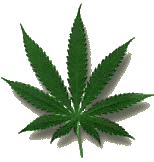 The Food and Drug Administration issued a
 Â People with HIV/AIDS commonly take herbals and vitamins, often without the knowledge of their doctor.
 The results from two studies of transcranial magnetic stimulation (TMS) may lead to a better method of predicting or assessing the effects of drugs used to treat neuropathic pain.
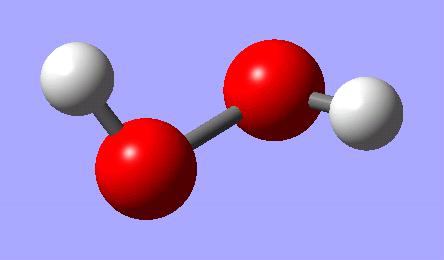 It’s possible to purchase 35% hydrogen peroxide over the Internet and use it to treat AIDS, cancer, emphysema, and other serious and life-threatening diseases. But is it a good idea?