Using education + music to treat sleep apnea
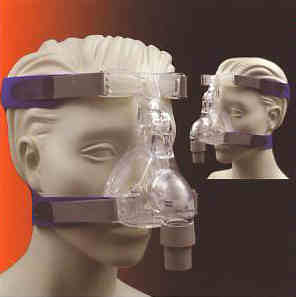 Researchers from the University of Kansas, School of Nursing and Preventive Medicine, in Kansas City tell us, “As many as 50% of patients diagnosed with obstructive sleep apnea stop adhering to the prescribed medical treatment of continuous positive airway pressure (CPAP) within 1 to 3 weeks.”
They tested the effects of music + patient education on adherence to CPAP.
First, the details.
- 97 patients with moderate to severe apnea/hypopnea scores and a diagnosis of obstructive sleep apnea were assigned to a treatment group.
- An audiotape with softly spoken instructions for placing the CPAP mask, using deep breathing and muscle relaxation along with the slowly decreasing music tempo at bedtime each night.
- Placebo
- All patients received directions for CPAP nightly use and a diary to record CPAP benefits or problems.
And, the results.
- Compared to placebo, significantly more patients in the comprehensive treatment group adhered to CPAP at the end of the first month.
- There were no differences in CPAP adherence at 3 and 6 months.
- Diary data indicated the comprehensive intervention was helpful and guided formation of a relaxing, habitual routine of CPAP use.
The bottom line?
It’s not surprising that greater attention to patient education resulted in improved adherence to CPAP short term.
The only other support I can find for music therapy in the treatment of obstructive sleep apnea is a study where learning to play the didgeridoo resulted in improved daytime sleepiness and apnea.
5/17/09 21:00 JR
