Effects of cranberry polyphenols on dental health
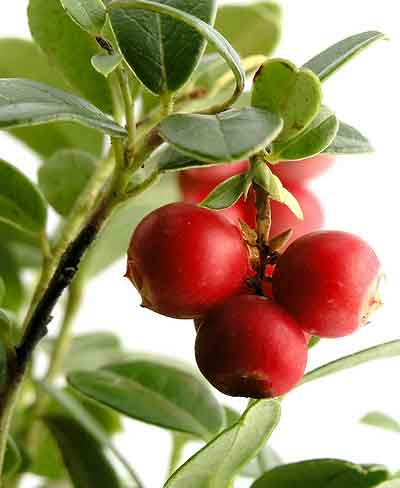 Several studies report that the polyphenols (a source of antioxidants) in cranberries have properties that may be beneficial for treating and/or preventing dental caries and periodontal disease.
Researchers at Laval University, in Quebec, summarized the scientific evidence supporting the potential of cranberry polyphenols to prevent and/or treat diseases of the mouth.
Here’s what we know.
- In lab studies…
- Polyphenols of cranberries appear to have the potential to prevent and/or treating dental caries and periodontal disease.
- However, these results are difficult to reproduce in people, since the oral environment could interfere with the biological properties of these molecules.
- What about drinking cranberry juice?
- It’s unlikely that drinking cranberry juice can benefit oral health, given the insufficient contact time between the oral tissues (the teeth and gingiva) and the cranberry polyphenols.
- In addition, the sugar added to cranberry drinks and its acidity may have counterproductive effects of contributing to the demineralization of tooth enamel.
The bottom line?
The authors concluded that once the bioactive molecules in cranberry extracts are isolated, they could be added to oral hygiene products for local application to diseased periodontal sites, through irrigation or insertion of a resorbable fiber.
2/24/11 22:34 JR
