The C.A.M. Report
Complementary and Alternative Medicine: Fair, Balanced, and to the Point

Is physical therapy cost-effective care for sciatica?
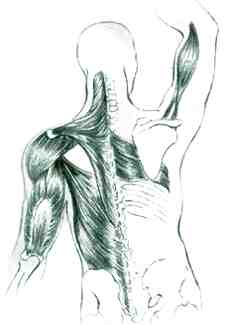
Not when compared to general practitioners’ care alone, according to researchers from Erasmus Medical Center in Rotterdam, the Netherlands.

First, the details.

  • 135 patients were randomly assigned to physical therapy plus general practitioners’ care or to general practitioners’ care alone.
  • Patients were monitored for a year.
  • The clinical outcomes were global perceived effect and quality of life.
  • The fiscal outcomes were direct and indirect costs measured by means of questionnaires.
  • An incremental cost-effectiveness ratio (ICER) was used to compare the cost of treatments.
    • ICER is a pharmcoeconomics tool to compare the change in the cost of one treatment vs an alternative (eg, placebo or the best available alternative treatment) to the change in effect of the treatment.

And, the results at one year.

  • There was a significant difference in perceived recovery in favor of the physical therapy group.
  • Physical therapy beyond that time did not improve quality of life more.
  • The ICER for the total costs (physical therapy plus primary care) was 6224 euros (about US$9000) per improved patient gained. For direct costs of physical therapy only, the ICER was 837 euros (about US$1200).

The bottom line?
It’s a bit confusing. But despite the fact that patients favored physical therapy, for the treatment of sciatica (aka acute lumbosacral radicular syndrome), the added cost of physical therapy (in addition to the time lost from work to attend the treatment sessions) isn’t a good use of the money.

1/23/08 11:13 JR

2 Comments »

  1. babenkoe said:

    on March 22, 2008 at 3:05 pm

    Unfortunately, I do not have access to the article this post is discussing and the abstract on pubmed is not helpful either.

    I would like to know which interventions were used in PT. Too often there are studies done about PT calling it “conventional therapy” or not being clear about what interventions were used. This is not always reflective of most PT practice and certainly not representative of the evidence-based manner the PT profession is moving in.

    Please go to this site for an example of where the PT profession is going.
    I implore future researchers to be very clear in promoting their studies that investigate PT intervention. The public can easily just see that PT is not cost-effective and not understand the study design.

    Thank you and all the best.

  2. Dr Peter J. Stanton said:

    on March 24, 2008 at 1:52 am

    Well the above author raises some good points. What exact methods were used by the physical therapists? Had it been in the 1960s or 70s the methods would have been passive modalities such as ultrasound, shortwave and EMS. In 2008 PTs trend toward active therapies as to most chiropractors since that is where the evidence takes us.

    Sciatica is usually causes by a herniated disc and less often by a tight piriformis muscle. The piriformis is treated via various soft tissue methods. A herniated/bulging disc is best treated through waiting, proper biomechanics such as altering sitting and lifting methods and manipulation/flexion distraction. In this way surgery can be avoided in the vast majority of cases.

    I went to the provided link to find out where the profession of PT is going..

    Quite frankly PTs really stink at treating sciatic based on published research and 24 years of practice. I wish they would stick to what they do best which is rehabilitation of post surgical patients, stroke victims and those needed rehab of peripheral joint issues. Instead PTs who were designed to be technicians, are seeking to be seen directly, without a prescription with direct access from the public. They already have schools for that. Medical school, osteopath, chiropractic, dental and podiatric schools take a minimum of 4+4 years and about 300+ credit hours to train as portal of entry practitioners to understand how to differentially diagnoses pathology, including things other than the musculoskeletal issues. Many of the PT programs are 2 years of basic science plus 2 more years of physical therapy. Some programs have expanded to a masters degree. Regardless, I don’t see how you can fit a medical curriculum in that short time that trains you to be able to safely differentially diagnose.

    Using he same thinking as some of the PTs, should chiropractors seek to write prescriptions and perform surgery just to get a bigger piece of the health care pie? Obviously the answer is “no”. We have MDs for that.

    Peter J. Stanton MS, DC, DABCO

{ RSS feed for comments on this post} · { TrackBack URI }

Leave a Comment

You must be logged in to post a comment.

Register Login